

Why Matcha Loses Freshness Faster Than Loose Leaf Tea
The best way to store matcha powder for freshness is to keep it sealed in an opaque, airtight container, away from light, heat, moisture and strong smells.
Loose leaf tea is steeped whole and then removed, so the leaf protects itself.
Matcha and green tea powder have no protective layer left.
If you already own loose leaf tea, the freshness rules overlap, and our guide on how to store premium Ceylon loose tea covers the wider picture for leaf tea.
How to Store Matcha Powder After Opening
Once a pouch is opened, transfer the matcha to a small, airtight, opaque container and keep it in a cool, dark, dry place.
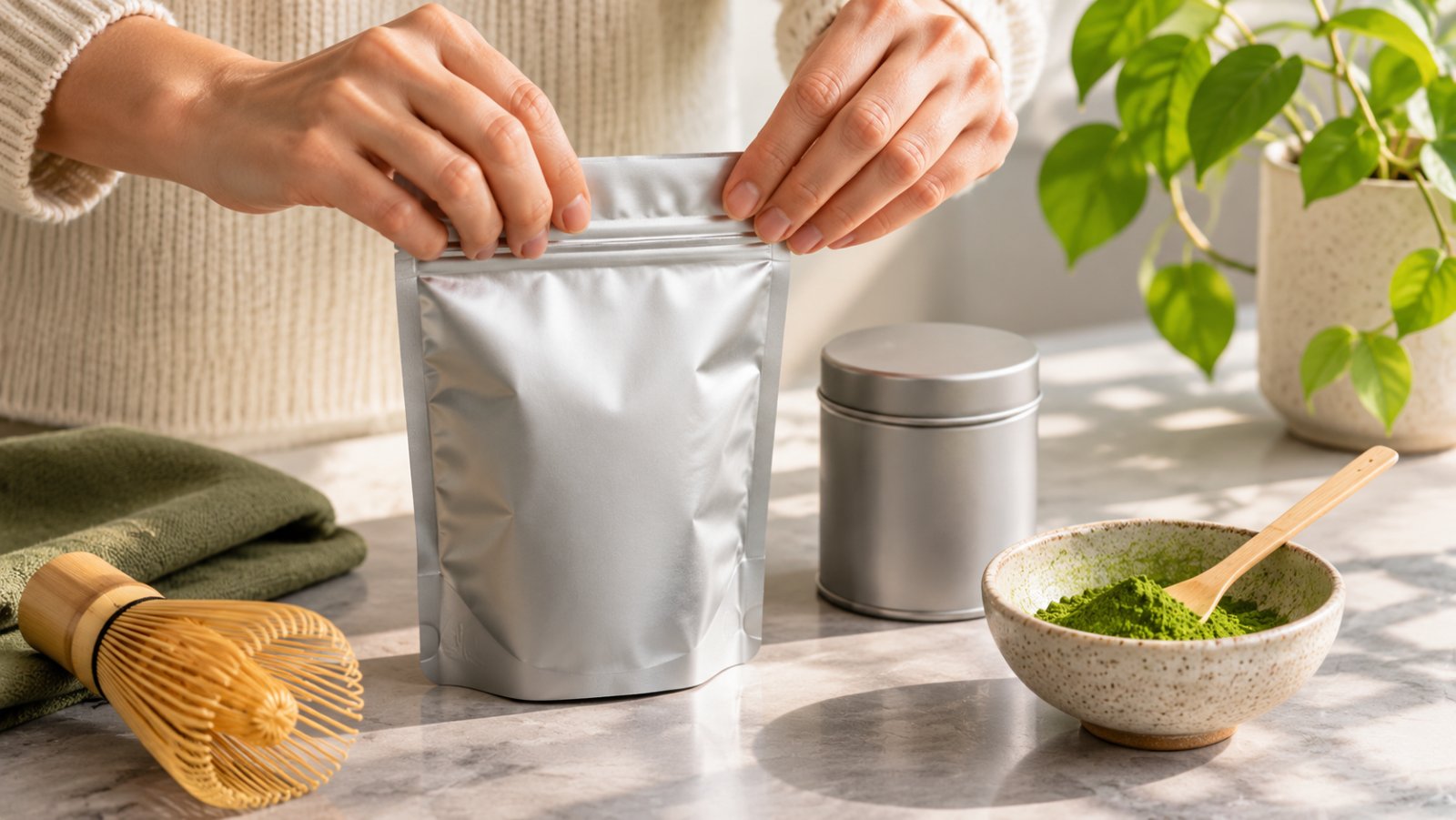
Hands sealing a foil matcha pouch next to an opaque metal tin and a bamboo scoop of green powder on a kitchen bench
Step-by-Step: Sealing and Storing an Opened Pouch
- Work quickly. Open the pouch, scoop what you need, and reseal within seconds, don't leave it open while you heat water.
- Press out the air. Smooth the pouch from the bottom up before sealing.
- Seal tightly. Run your fingers along the zipper lock to close it fully; a partial seal is as good as no seal.
- Add a second layer. Place the sealed pouch inside an opaque tin or sealed container to slow air and light.
- Store it cool and dark. A cupboard away from the stove, kettle and window is ideal.
- Label the open date. Write it on the pouch or tin.
Choosing the Right Container, Size and Headspace
The container matters as much as the sealing. Look for:
- Opaque, not clear. Light degrades colour and aroma, so choose a metal tin or solid-coloured container, not a glass jar on a sunny shelf.
- Small, to match the amount. A big container with little powder leaves lots of air space.
- Minimal headspace. Less air above the powder means less oxygen to react with; fill reasonably without cramming.
For shoppers after a proper storage tin, our green tea tin caddy with 100g of loose leaf Sencha shows the kind of opaque metal caddy that suits this job.
Should Matcha Be Refrigerated?
Refrigeration is not a default. It suits sealed matcha you will not open for a while, in a climate or kitchen where a cupboard runs warm. For most daily drinkers, a cool, dark cupboard is simpler and safer.
The problem with the fridge is condensation. Every time you take cold matcha into a warm kitchen, moisture forms on the powder and inside the container, causing clumping and speeding up staleness.
A Decision Guide: Pantry, Fridge or Freezer
Use this sequence to choose a storage location. Work through the questions in order and stop at the first answer that fits.
- Is the pouch still sealed and unopened? If yes, and you won't open it within a month or two, go to step 2. If you'll open it soon, keep it in the pantry.
- Will you finish it within a few weeks of opening? If yes, the pantry is fine. If no, split it into smaller sealed portions before chilling or freezing.
- Is your kitchen or cupboard warm or humid for much of the year? If yes, the fridge or freezer protects colour and aroma better than a warm shelf. If your cupboard stays cool and dry, the pantry is the lower-risk choice.
- Is the matcha already opened? If yes, avoid the fridge unless you can keep it fully sealed and accept the condensation risk. For opened matcha you use daily, the pantry wins.
- Do you need months of storage? If yes, the freezer is better for sealed, unopened matcha.
People often over-chill opened matcha they use every day, then wonder why it clumps. The temperature swings do more harm than the cool air does good.
When the Fridge Makes Sense
- For long-term storage of an unopened pouch. Sealed matcha can go in the fridge or freezer to extend its life.
- For large amounts you won't finish quickly. Split the powder into small portions so you only bring out what you need.
- In a warm or humid climate. If your cupboard regularly feels warm to the touch, a sealed container in the fridge is safer.
A common mistake is storing an opened pouch in the fridge door, where it swings open and shut all day. That is the worst spot in the kitchen for temperature changes.
How to Prevent Condensation When Taking Matcha Out
Follow these steps to keep condensation away from your powder:
- Let the container sit sealed. Take it out of the fridge and leave it closed on the bench until it reaches room temperature, 30 minutes to a couple of hours.
- Never open it cold. Opening a cold container in a warm room pulls moisture straight onto the powder.
- Wipe the outside dry. Condensation on the lid can drip inside when you open it.
- Use small portions. Store matcha in several small sealed containers and bring out one at a time.
- Reseal and return promptly. Put the rest back as soon as you've scooped what you need.
- Avoid repeat cycles. Every thaw-and-rechill adds moisture, so bring out one portion, use it, and leave the rest undisturbed.
Watch out: opening a cold tin straight from the fridge is the most common way people introduce moisture to otherwise well-stored matcha.
Freezer Storage for Unopened Matcha
Freezing is the best option for unopened matcha you plan to keep for a long stretch. A sealed pouch in the freezer holds its colour and aroma far better than one left at room temperature.
The key word is unopened. A sealed pouch has no air inside to carry moisture to the powder. Once opened, the freezer becomes risky, because every thaw-and-refreeze cycle adds condensation.
If you freeze matcha, do this:
- Keep the original sealed pouch intact, and place it inside a second airtight bag or tin.
- Squeeze out air from the outer bag before sealing.
- Label it with the date.
How Long Does Matcha Stay Fresh?
How long matcha stays fresh depends on whether the package is opened, how it is stored, and how often it meets the air. The table below gives cautious working ranges rather than guarantees. Treat them as planning guides, and always check the best-before date on the pack.
Storage Situation |
Approximate Freshness |
|---|---|
Unopened, sealed, in the freezer |
Many months, often up to a year |
Unopened, sealed, in a cool dark cupboard |
Several months |
Opened, in an airtight opaque tin, cool and dark |
A few weeks to a couple of months |
Opened, in the original pouch, room temperature |
A few weeks at best |
Opened, in the fridge, opened daily |
Shorter, due to moisture and temperature swings |
Timelines by Package Status and Conditions
The ranges above assume a cool, dry kitchen. Adjust them for your conditions:
- Unopened and frozen: the longest option. Keep the pouch sealed and inside a second airtight bag or tin. Label the date. Thaw fully, still sealed, before opening.
- Unopened and in the pantry: several months in a cool, dark cupboard. A warm or humid kitchen shortens this noticeably.
- Opened and kept in a small airtight tin: a few weeks to a couple of months, depending on how often you open it. A tin you open twice a day will fade faster than one opened weekly.
A hot, humid kitchen shortens every timeline. A cool, dry cupboard stretches them. If your kitchen regularly feels warm, lean towards smaller purchases and the freezer for backup supplies.
A Practical Freshness Check
Rather than relying on dates alone, assess the powder itself:
- Colour: fresh matcha is a vibrant, bright green. Dull, yellowish or olive-brown tones suggest degradation.
- Aroma: fresh matcha smells sweet and grassy. Flat, dusty or hay-like notes suggest it has faded.
- Texture: fresh powder is fine and loose. Clumps suggest moisture has got in.
A dull colour and a flat smell together are the clearest signals of degradation. Appearance alone does not prove safety, so use your senses alongside the date and storage history.
Watch out: a best-before date assumes the pack has been stored correctly (Use-by and best-before dates). Once opened, the clock runs faster than the label suggests.
Signs Matcha Powder Has Gone Stale
Your eyes and nose will tell you more than any date stamp. Check for these signs:
A Storage Checklist for Daily and Occasional Drinkers
Use this checklist to keep your matcha at its best. It works whether you drink a bowl every morning or open the tin once a month.
- Matcha lives in an opaque, airtight container
- The container is sized to the amount stored, with little headspace
- The pouch or tin is sealed tightly after every use
- The storage spot is cool, dark and dry, away from the stove and window
For daily drinkers: keep a small tin in the cupboard and refill it from a larger sealed pouch.
For occasional drinkers: buy smaller amounts, or split a large pouch into small sealed portions and freeze what you will not use soon.
Storing Your Matcha in a Basilur Tin Caddy
A well-made metal tin does two jobs at once: it blocks light and it seals tight. That is exactly what matcha needs. It is also why we design our caddies the way we do.
Basilur tea caddies each hold 100g of loose leaf tea in a foil pouch with a zipper lock, inside a beautifully crafted metal tin.
If you are choosing a caddy, here are three to consider:
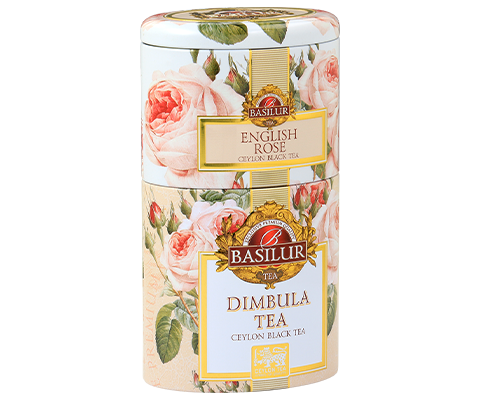
- The Basilur Two Layer Caddy English Rose Dimbula brings a classic floral design to the shelf.
- The Basilur Two Layer Tea Caddy Captains Tea Gampola offers a second two-layer option to compare.
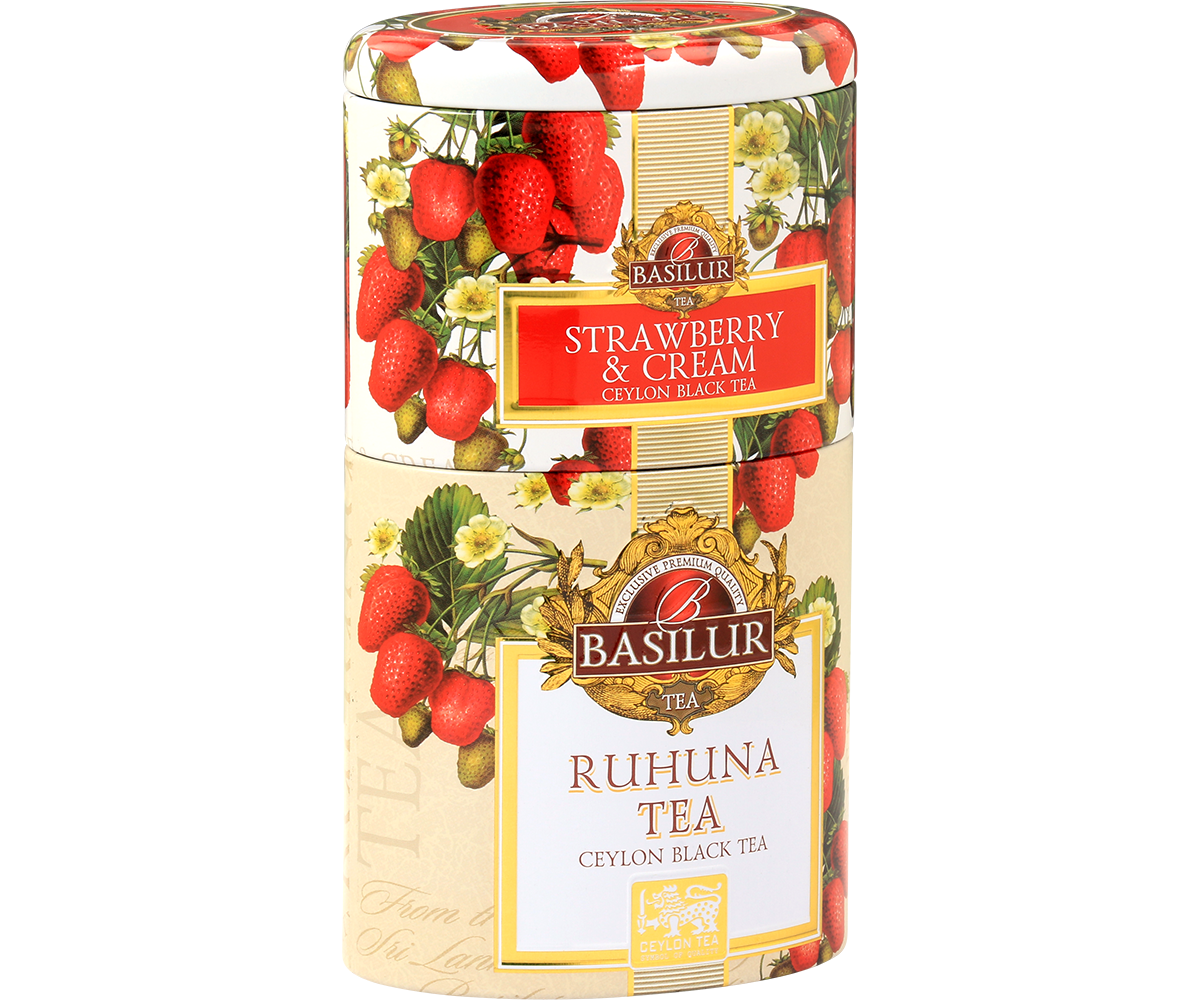
- The Basilur Two Layer Tea Caddy Strawberry Ruhuna rounds out the choice with a fruit-forward look.
Matcha rewards a little care. The powder you protect from air, light and moisture today is the powder that tastes sweet and looks vivid green next month.

Frequently Asked Questions
Should matcha powder be stored in the fridge?
Only if you use it slowly or your kitchen runs warm. A sealed, opaque container in a cool, dark cupboard works well for matcha you finish within a month or two. For longer storage, the fridge slows oxidation, but you must seal the powder in an airtight container and let it reach room temperature before opening. Skip the fridge door, where constant temperature changes and condensation do the most damage.
How should I store matcha after opening?
Press all the air out of the original foil pouch, seal the zipper lock, then place the pouch inside an opaque, airtight tin. Keep it in a cool, dark, dry spot away from the stove, kettle and any strong-smelling spices. If you decant into a jar, choose one that blocks light and fill it close to the top so little air sits above the powder. Always reseal tightly after every scoop.
Can matcha powder be stored in the freezer?
Yes, unopened matcha freezes well and holds its colour and sweetness for many months. Keep the sealed pouch inside a second airtight bag or container to block moisture and odours. When you are ready to use it, move the package to the fridge or bench and let it come fully to room temperature before opening, so condensation forms on the packaging rather than the powder. Once opened, keep it out of the freezer.
How can I tell if matcha powder has gone stale?
Stale matcha loses its vibrant green colour and turns dull or yellowish-brown. The aroma flattens from fresh and grassy to hay-like or dusty, and the powder may clump instead of flowing loosely. In the cup, it tastes bitter, flat or slightly fishy rather than sweet and vegetal. If you spot these signs, the powder is past its best, though it is still safe to cook with in smoothies or baking.









Comments (0)
There are no comments for this article. Be the first one to leave a message!