

What Makes Green Tea High Quality
Quality begins with the leaf.
Whole or carefully processed leaves generally offer a more expressive aroma, cleaner flavour and a more layered infusion than heavily broken leaves or tea dust.
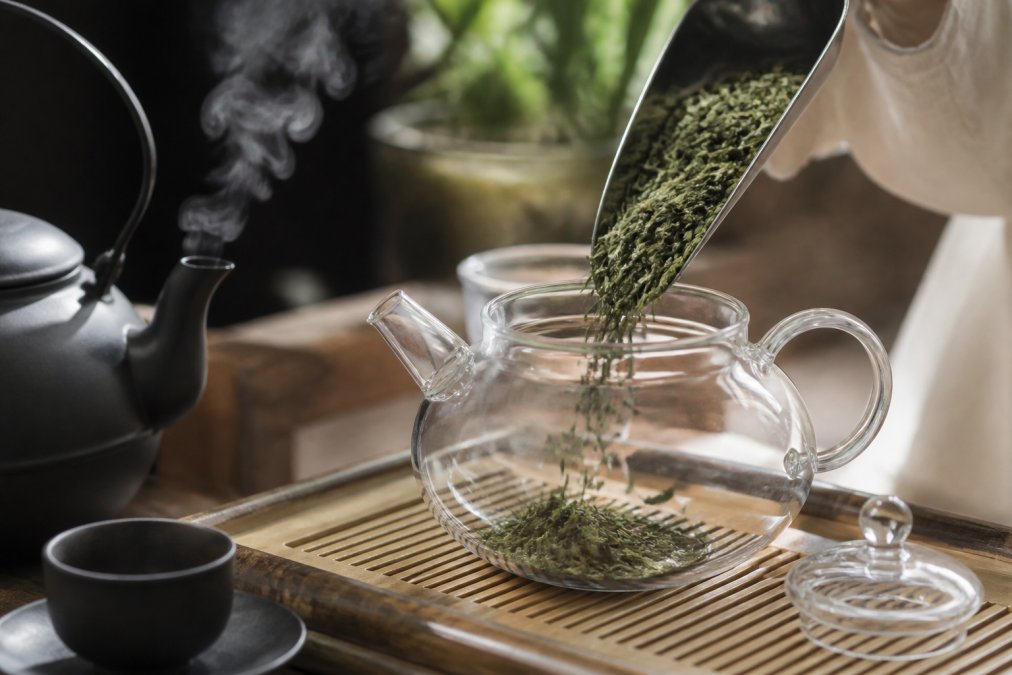
At Basilur, loose leaf varieties allow the leaf room to open during brewing, revealing its natural aroma and character.
Specialty Classics - Sencha Tea - 100g Loose Leaf Green Tea
View product image
View green tea brewing image
Freshness also matters. Green tea is especially sensitive to heat, light, air and moisture, which can gradually diminish its aroma and delicate flavour.
A well-made green tea should feel fresh and lively in the cup, with a clear infusion and a clean finish.

The Antioxidant Profile of High Quality Green Tea
Green tea naturally contains a group of plant compounds known as polyphenols.
Among these are catechins, which have been widely studied for their antioxidant activity and their possible role in supporting general wellbeing.
Catechins and EGCG
One of the most researched green tea catechins is epigallocatechin gallate, better known as EGCG.
Research into the antioxidant mechanisms of green tea catechins has explored how compounds such as EGCG interact with oxidative processes in the body.
Rather than viewing green tea as a treatment or quick wellness fix, it is better understood as one element of a balanced lifestyle and a beverage that naturally provides a range of plant compounds.
Processing also plays an important role. Green tea leaves are typically heated shortly after harvest to limit oxidation, helping preserve their characteristic colour, aroma and composition.
This is one reason high quality loose leaf tea often has a fresh appearance and distinctive vegetal aroma.
Specialty Classics Sencha Green - Tin Caddy - 100g Loose Leaf Ceylon Green Tea

Green Tea, Heart Health and Blood Sugar
Green tea has been extensively studied in relation to cardiovascular and metabolic health.
Research has examined whether regular consumption may be associated with factors such as blood vessel function, cholesterol profiles and glucose metabolism.
The European Journal of Clinical Nutrition's findings on tea and metabolic health provide further reading on the relationship between tea consumption and metabolic wellbeing.
It is important, however, to view green tea as part of an overall dietary pattern rather than as a treatment for high blood sugar, cholesterol or cardiovascular conditions.
The simplest approach is to enjoy high quality tea regularly as part of a balanced lifestyle
Cognitive Function and the L-Theanine Effect
One of the qualities that makes green tea particularly appealing is its combination of caffeine and L-theanine.
L-theanine is an amino acid naturally present in tea leaves and has been studied in relation to attention, relaxation and cognitive performance.
Because green tea generally contains less caffeine than coffee, many people find it offers a gentler way to introduce a little alertness into the day.
This balance is one reason a cup of green tea can feel equally at home in a morning routine or a quiet afternoon pause.
Weight Management and Metabolic Support
Green tea is frequently discussed in relation to metabolism and weight management.
Research has explored the interaction between caffeine, catechins and energy expenditure, including research on green tea and energy expenditure.
The effect found in research is generally modest, which is why green tea should not be positioned as a weight loss solution.
Its more practical role is often much simpler: unsweetened green tea can be an elegant alternative to sugary drinks while offering flavour, hydration and a naturally occurring range of plant compounds.
Signs of High Quality Loose Leaf Tea
Learning to recognise a beautiful tea makes choosing and brewing it far more rewarding.
The signs of high quality begin with appearance and aroma, but freshness and careful storage are equally important.
Appearance and Aroma
Look for leaves that appear fresh and reasonably consistent rather than excessively dusty or dull.
High quality green tea may offer aromas ranging from fresh grass and leafy greens to subtle nutty, floral or sweet notes depending on its origin and processing style.
Once brewed, the liquor should appear clear and bright rather than muddy.
Processing: Steamed or Pan-Fired
Different traditions create very different green tea experiences.
Japanese green teas are commonly steamed, producing fresh vegetal and umami characteristics.
Many Chinese green teas are pan-fired, creating warmer, toasted or nutty notes.
Neither method is inherently better. What matters is the quality of the leaf, careful processing and the flavour profile you personally enjoy.
Sourcing and Quality
Sourcing and Quality
Sourcing Transparency
Good tea should inspire confidence.
Information about origin, tea type, ingredients and preparation helps customers understand what they are drinking and how best to enjoy it.
Single-origin teas can provide particularly clear insight into a growing region, although carefully crafted blends can offer their own complexity and consistency.
The Unfurling Test
One of the pleasures of loose leaf tea is watching the leaves open in the water.
Quality whole leaves often gradually expand during brewing, releasing their aroma and flavour as they unfurl.
The resulting tea should appear bright and inviting.
Storage: Protecting Freshness
Even exceptional tea can lose its character when exposed repeatedly to light, heat, moisture or strong surrounding aromas.
Keep green tea sealed in a cool, dry and dark place, and close the packaging promptly after each use.
The aim is simple: preserve as much of the tea's original aroma and freshness as possible until the next cup.
How to Brew Green Tea Beautifully
Green tea rewards a little care.
Water that is too hot can make delicate green tea taste more bitter and astringent, while cooler water often reveals greater sweetness and softness.
Water Temperature: 70°C to 80°C
For many green teas, water between approximately 70°C and 80°C is a useful starting point.
If you do not have a temperature-controlled kettle, boil fresh water and allow it to cool briefly before pouring it over the leaves.
Individual products may have their own recommended brewing instructions, so always follow the preparation guidance on the tea where available.
Steeping Time
Around two to three minutes is a good starting point for many loose leaf green teas.
If you prefer a stronger cup, adding a little more leaf can often produce better results than extending the brewing time considerably.
Long steeping times may draw out more astringency and overshadow the tea's more delicate characteristics.
Multiple Infusions
One of the pleasures of quality loose leaf tea is that the same leaves can often be infused more than once.
The second infusion may reveal a slightly different side of the tea, sometimes softer, more vegetal or more delicate than the first.
Experiment with slightly warmer water or a longer steep on subsequent infusions and discover which preparation you prefer.
Water Quality
Water makes up almost the entire cup, so its quality matters.
If your tap water has a strong chlorine or mineral taste, filtered water can help the tea's natural character come through more clearly.
Very heavily mineralised or completely demineralised water may both alter the flavour, so clean, fresh water is generally the best place to begin.
A Note on Matcha
Matcha is prepared differently from loose leaf green tea because the powdered leaf remains in the drink rather than being strained away.
Traditionally, the powder is whisked into warm water until evenly suspended and lightly frothy.
Because the entire leaf is consumed, quality and sourcing are especially important when choosing matcha.
Best Time to Drink Green Tea
There is no single perfect time to enjoy green tea.
For many people, morning or early afternoon works beautifully because green tea contains caffeine while generally offering less than a typical cup of coffee.
An afternoon green tea can also provide a refreshing pause between work and the rest of the day.
Those who are particularly sensitive to caffeine may prefer to avoid green tea close to bedtime.
Some research also examines the relationship between tea compounds and nutrient absorption, so people with specific nutritional or medical considerations should follow the advice of their healthcare professional.
Ultimately, consistency and enjoyment matter more than creating an overly complicated tea schedule.
A review of green tea's health applications explores the wider body of research surrounding regular green tea consumption.
A Better Cup Begins With Better Tea
Choosing high quality green tea is about far more than wellness claims.
It is about aroma, freshness, craftsmanship and the simple pleasure of watching beautiful leaves open in hot water.
From the quality of the leaf to the care taken during brewing, every detail shapes the final cup.
Basilur offers a range of loose leaf green teas, including Specialty Classics Sencha Green Tea, created for those who appreciate the freshness and distinctive character of carefully prepared green tea.
Explore Basilur Green Tea and make a beautifully brewed cup part of your everyday ritual.
Frequently Asked Questions
What happens if I drink green tea every day?
For most people, green tea can form part of a balanced everyday routine.
It naturally contains catechins, including EGCG, along with caffeine and L-theanine. Research continues to explore these compounds in areas including cardiovascular, metabolic and cognitive health.
Individual caffeine tolerance varies, so the amount that suits one person may not suit another.
How can you tell if green tea is high quality?
Look for fresh aroma, good leaf integrity and a clear, bright infusion.
Whole loose leaves should generally expand as they steep, while the flavour should feel clean and balanced rather than stale or excessively harsh.
Packaging and storage also matter because green tea is particularly sensitive to air, light, heat and moisture.
What is the best time of day to drink green tea for maximum health benefits?
Morning and early afternoon are popular choices because of green tea's natural caffeine content.
If you are caffeine sensitive, enjoy it earlier in the day and avoid drinking it close to bedtime.
Does high-quality green tea contain more antioxidants than standard tea bags?
The antioxidant content of tea varies according to cultivar, growing conditions, processing, freshness, storage and brewing.
Whole loose leaf tea can offer advantages in freshness, leaf integrity and brewing quality, while tea bags vary considerably in the grade of tea they contain.
Rather than judging a tea only by format, look at the quality and freshness of the tea itself.
Frequently Asked Questions
What happens if I drink green tea every day?
Daily consumption of high quality green tea can support a healthier daily routine. The catechins and EGCG found in loose leaf green tea are linked to improved cardiovascular health, better blood glucose regulation, and a modest increase in metabolic rate. Many people also report a stable, calm focus from the combination of caffeine and L-theanine. To get these benefits, brew your tea correctly and aim for two to three cups a day, which keeps you within safe caffeine limits.
How can you tell if green tea is high quality?
Look for whole, unbroken leaves rather than dust or fannings. High quality loose leaf tea, like a Sencha, should have a fresh, grassy aroma and leaves that unfurl fully when steeped. The liquor should be a clear golden-yellow or pale green, not murky or brown. Quality producers steam the leaves soon after harvest to preserve catechins and polyphenols. Avoid tea that smells flat or stale, which indicates older leaves with reduced antioxidant activity.
What is the best time of day to drink green tea for maximum health benefits?
Morning or early afternoon are the ideal times to drink green tea. The caffeine content provides a gentle mental alertness boost without the jittery spike of coffee, making it an excellent morning ritual. Drinking it between meals can also improve bioavailability of catechins, as tannins can interfere with iron absorption from food. Avoid drinking it late in the evening, as the caffeine may disrupt sleep patterns.
Does high-quality green tea contain more antioxidants than standard tea bags?
Yes, high quality loose leaf green tea typically contains more antioxidants than standard tea bags. Many commercial tea bags contain dust and fannings, which lose catechins and EGCG more quickly due to their larger surface area. Whole leaves retain their polyphenol content better and have more room to expand during steeping, allowing for a more complete extraction of beneficial compounds like epigallocatechin gallate.









Comments (0)
There are no comments for this article. Be the first one to leave a message!