

Quick Comparison: Five Organic Teas for Sensitive Stomachs in 2026
Finding organic tea for a sensitive stomach comes down to one rule: fewer ingredients, gentler botanicals, no caffeine surprises. This guide from Basilur Tea ranks five blends we would put in front of anyone whose gut reacts badly to strong black tea, and explains exactly why each one made the cut.
Below is the short version, followed by the reasoning behind every pick.
Rank |
Blend |
Tea Bags |
Price |
Best For |
|---|---|---|---|---|
1 |
Organic Lemon Ginger & Manuka Honey |
18 |
$14.99 |
Morning nausea and sluggish digestion |
2 |
Herbal Infusions - Chamomile |
20 |
$14.99 |
Cramping and pre-sleep wind-down |
3 |
Organic Three Roots |
18 |
$14.99 |
Bloating with turmeric and ginger |
4 |
Organic Lemon, Lime & Mint |
18 |
$14.99 |
After-meal heaviness |
5 |
Herbal Infusions - Rooibos |
20 |
$14.99 |
Caffeine-free everyday drinking |
How We Selected These Sensitive-Stomach Blends
Most roundups tell you what they picked but not how, which makes the ranking impossible to check against your own triggers.
We assessed every blend against five weighted criteria:
- Caffeine status (highest weight). Caffeine stimulates gut motility, which is why a strong black tea can bring on cramps and urgency in a sensitive stomach. Every pick here is caffeine-free, so no blend gains or loses points on this criterion, it is a pass/fail gate rather than a ranking factor.
- Ingredient count and transparency (high weight). A blend with three ingredients gives you three things to react to; a blend with twelve gives you twelve. We favoured short lists with botanicals named in full and no hidden flavourings or sweeteners. Blends with added flavourings were marked down because they add variables without adding digestive benefit.
- Botanical tradition and mechanism (medium weight). We weighted blends where ginger, peppermint, chamomile or rooibos do the heavy lifting, because these are the botanicals most often discussed in a digestive context. Ginger, peppermint, chamomile or rooibos are often discussed in a digestive context.
- Organic verification (medium weight). "Organic" on a box describes a farming method, not a guarantee about your stomach. We looked for a named certification body and a clear ingredient list in descending order, and treated foiled envelopes as a freshness signal because they protect the botanicals better than open paper bags.
- Everyday drinkability (lower weight). A tea you will actually finish the box of beats a stronger blend you abandon after two cups. We scored flavour accessibility and how easy each blend is to drink daily without irritation.
What most guides miss is dose. A tea bag steeped for two minutes delivers a very different cup from one steeped for eight, and that difference matters more for a sensitive stomach than the brand name on the box.
Better Health Channel guidance on herbal teas and caffeine
The Best Organic Herbal Teas for Digestion, Ranked
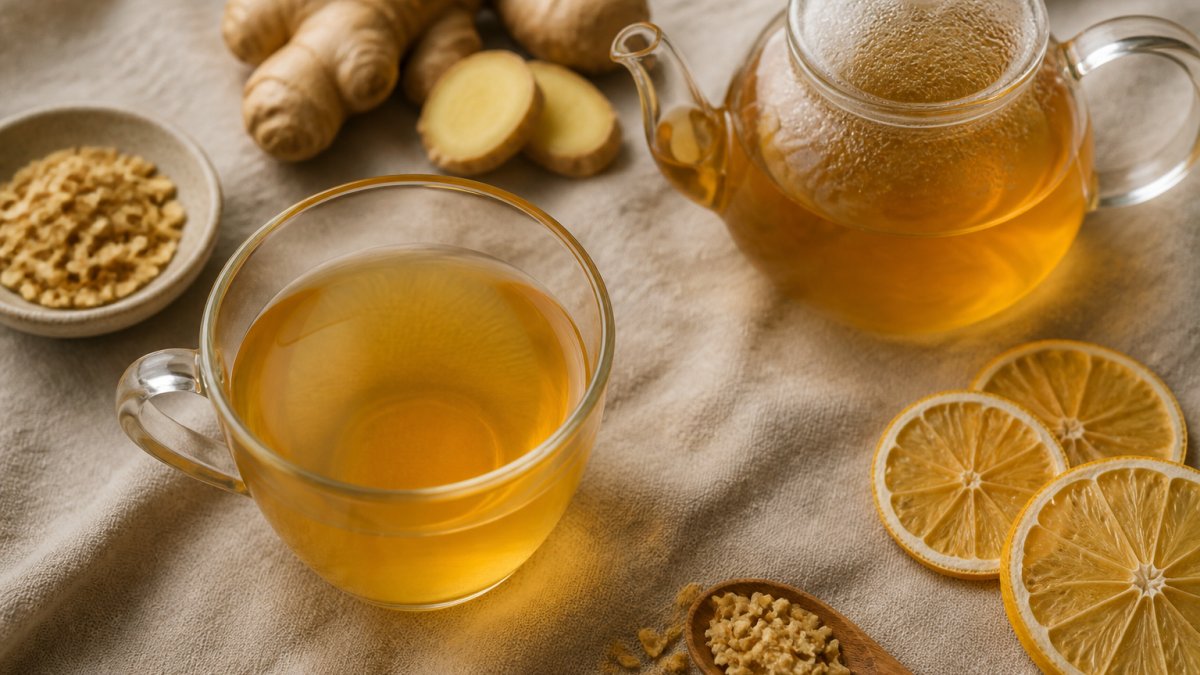
Here is the ranked list. Each entry covers what the blend is, who it suits, and where it falls short.
1. Organic Lemon Ginger & Manuka Honey
Ginger is often chosen when nausea hits, and this blend leads with it alongside lemon and manuka honey. The citrus cuts the heat of the ginger, so it drinks lighter than a straight ginger infusion.
Best for: anyone who wants one blend to handle morning nausea and after-meal discomfort. Skip if: you dislike honeyed or citrus-forward flavours.
View the Organic Lemon Ginger & Manuka Honey tea bags

2. Herbal Infusions - Chamomile
Chamomile is caffeine-free, floral rather than spicy, and gentle enough to drink late in the evening.
Our pick here is the foiled enveloped version, which keeps the flowers fresher between cups than a loose box.
The honest limitation: chamomile is mild.
Best for: cramping, tension-related stomach tightness, and a calming evening ritual. Skip if: you want a strong, immediate sensation.
Browse the Herbal Infusions Chamomile tea bags

3. Organic Three Roots
This is the boldest blend on the list.
Turmeric and ginger are often associated with an upset stomach, and the ashwagandha gives the blend a grounding quality that suits a mid-afternoon reset.
The trade-off is flavour. Earthy and spicy is not for everyone, and the turmeric can stain an unlidded cup.
Best for: bloating and a sluggish, heavy feeling after lunch. Skip if: you prefer light, floral teas.
Shop Organic Three Roots tea bags
4. Organic Lemon, Lime & Mint
Mint is often chosen as an after-dinner stomach soother, and this blend pairs it with lemon and lime zest over a floral base.
We like it as a replacement for a second coffee. It is caffeine-free, refreshing, and easy to drink when your stomach feels full but you still want something with flavour.
Best for: after-meal heaviness and anyone cutting back on caffeine. Skip if: you find mint too cooling or sharp.
See the Organic Lemon, Lime & Mint tea bags

5. Herbal Infusions - Rooibos
Rooibos, often called red tea, is naturally caffeine-free and smooth rather than astringent. That smoothness is why it suits a sensitive stomach.
Organic Bedtime Apple with Elderflower - 18 Tea Bags →
It is the most versatile pick here. Drink it plain, with a splash of milk, or as the base for a homemade chai.
Best for: a daily caffeine-free habit and anyone who finds green or black tea too harsh. Skip if: you want a blend with an active digestive botanical.
Order the Herbal Infusions Rooibos tea bags
Choosing an Organic Tea for a Sensitive Stomach
Start with caffeine status, then ingredient count, then flavour. That order matters more than brand loyalty.
Caffeine stimulates the gut, which is why a strong black tea can send a sensitive stomach into cramps within twenty minutes.
Next, read the ingredient list. A blend with three ingredients gives you three things to react to; a blend with twelve gives you twelve.
Finally, match the botanical to your preference. Ginger, peppermint, chamomile, and rooibos are popular choices.
How to Choose Organic Tea Without Relying on the Label
"Organic" on a box tells you about farming method, not about whether the tea will suit your stomach.
Look for a certification body named on the pack, a clear ingredient list in descending order, and a best-before date that suggests reasonable turnover.
A common mistake is assuming organic means pesticide-free in every respect. Certification covers defined agricultural practices; it is not a guarantee against every possible contaminant.
Australian Organic certification and standards
Herbal Tea Ingredients to Avoid for a Sensitive Stomach
Some botanicals are gentle; others are not, and the difference often comes down to dose and format rather than the herb itself. Knowing which is which saves you a miserable afternoon.
- Senna and other laxative herbs. Often sold as "detox" or "slimming" teas. These are stimulant laxatives.
- Heavy licorice root. Sweet and soothing, but best kept occasional rather than a daily habit.
- Peppermint in reflux-prone drinkers. Fine in a tea bag for most people, but mint can relax the valve at the top of the stomach. Peppermint oil capsules are a far more concentrated dose than a cup of tea.
A common pattern is that people blame the brand when the problem is the format. A concentrated extract, a powder or a supplement delivers a far higher dose of a botanical than a steeped tea bag, so a herb that suits you in a cup may not suit you in a capsule. Start with the weakest preparation you can buy, steep it for the shorter time on the pack, and build up only if your stomach stays settled.
If you are pregnant, breastfeeding, taking medication or managing a diagnosed digestive condition, check with your GP or an accredited practising dietitian before making herbal tea a daily habit.
Building a Gentle Daily Tea Routine
One cup, once a day, at the same time, beats three cups on a bad day. Consistency lets you actually notice what helps.
A simple structure: ginger or lemon-ginger in the morning if you wake queasy, a mint blend after lunch, chamomile or rooibos in the evening.
Track it for a fortnight. Note the blend, the time, and how your stomach felt an hour later.
Ordering Your First Sensitive-Stomach Blend
Start with one blend, not five. The Lemon Ginger & Manuka Honey is the safest first purchase if nausea is your main complaint; chamomile if cramping is.
Every blend above is $14.99 for a box of 18 or 20 foiled tea bags, so you can try two without much risk. Store them somewhere cool and dry, away from the kettle's steam.
When you are ready to build a small collection, browse the full herbal infusions range and pick the two that match your symptoms rather than the two with the prettiest boxes.
Frequently Asked Questions
Which herbal teas are gentlest on a sensitive stomach?
Chamomile, rooibos, ginger and peppermint are the most commonly reached-for options. Chamomile is a mild floral infusion that many people drink in the evening, while rooibos is naturally caffeine-free and smooth. Ginger brings warmth. Peppermint suits some people but can relax the valve at the top of the stomach, so it does not suit everyone. Start with one blend at a time to see how your body responds.
Can peppermint tea upset a sensitive stomach?
It can. Peppermint contains menthol, which relaxes smooth muscle. For some people that eases cramping, but for others it loosens the valve between the stomach and oesophagus. If you notice heartburn or a burning sensation after drinking mint tea, switch to chamomile or rooibos instead. A blend that pairs mint with lemon and lime, like a citrus mint infusion, is worth trying in small amounts first.
How can I tell whether a tea is genuinely certified organic?
Look for a certification mark from an accredited body on the pack, not just the word organic in the product name. In Australia, organic claims are backed by certifiers that audit growers and processors against a defined standard. Check that the certifier's name or logo appears on the box, and that the certification covers the country of origin listed. A blend labelled organic but carrying no certifier mark is a marketing claim, not a verified one.
What ingredients should I avoid in tea if I have a sensitive stomach?
Watch for high-caffeine bases such as strong black or green tea, added artificial flavourings and sweeteners, and heavy spice blends built on chilli or large amounts of black pepper. Liquorice root is another one to note. Peppermint is fine for many but aggravates reflux in others. Read the full ingredient list rather than the front of the pack, and introduce new blends one at a time so you can identify what caused a reaction.
Is chamomile tea good for digestion?
Chamomile is traditionally used as a calming infusion and is one of the mildest herbal options available. It is caffeine-free, so it will not add to the stimulant load. Many people drink it after dinner or before bed as part of a wind-down routine. It is not a treatment for a digestive condition, and persistent stomach pain should be checked by a doctor rather than managed with tea alone.
If your stomach reacts to almost everything, the practical move is to start narrow: one caffeine-free botanical, one cup a day, one fortnight of notes. Basilur Tea sources premium Ceylon tea and blends each herbal infusion from the finest ingredients, with foiled envelopes that keep every bag fresh between cups and packaging designed to sit proudly on the shelf. Get started with Basilur Tea and build a gentle daily ritual around a blend your stomach actually agrees with.










Comments (0)
There are no comments for this article. Be the first one to leave a message!