
Does Green Tea Help With Bloating? The Short Answer
Does green tea help with bloating? Sometimes, but not in the way most people expect. Green tea is a gentle, hydrating drink. It is not a proven treatment for bloating, and for some people it can make symptoms worse.
The honest answer is that green tea sits somewhere in the middle. It depends on the cause of your bloating, how much you drink, and how your gut responds.
Below, we break down what the evidence actually suggests, when green tea may help, and when a caffeine-free herbal blend is the smarter choice.
How Green Tea Compounds Affect Digestion
Green tea contains natural compounds that may support digestion in modest ways, but it helps to separate what research actually tests from what is often assumed. The two compound groups that matter most are catechins and other polyphenols, plus the caffeine that occurs naturally in the leaf.
Catechins, Polyphenols and Gut Motility
Gut motility is the movement of food through your digestive tract.
A common mistake is expecting a strong laxative effect. Green tea is not a laxative. If you are constipated, it will not fix that on its own, and relying on it instead of addressing fibre, fluid and movement can leave the problem unchanged.
Antioxidants and Anti-Inflammatory Properties
What most guides miss is that the benefit comes from the ritual as much as the chemistry: a warm drink, a pause, and a few slow sips can reduce the rushed eating that traps air in the first place.
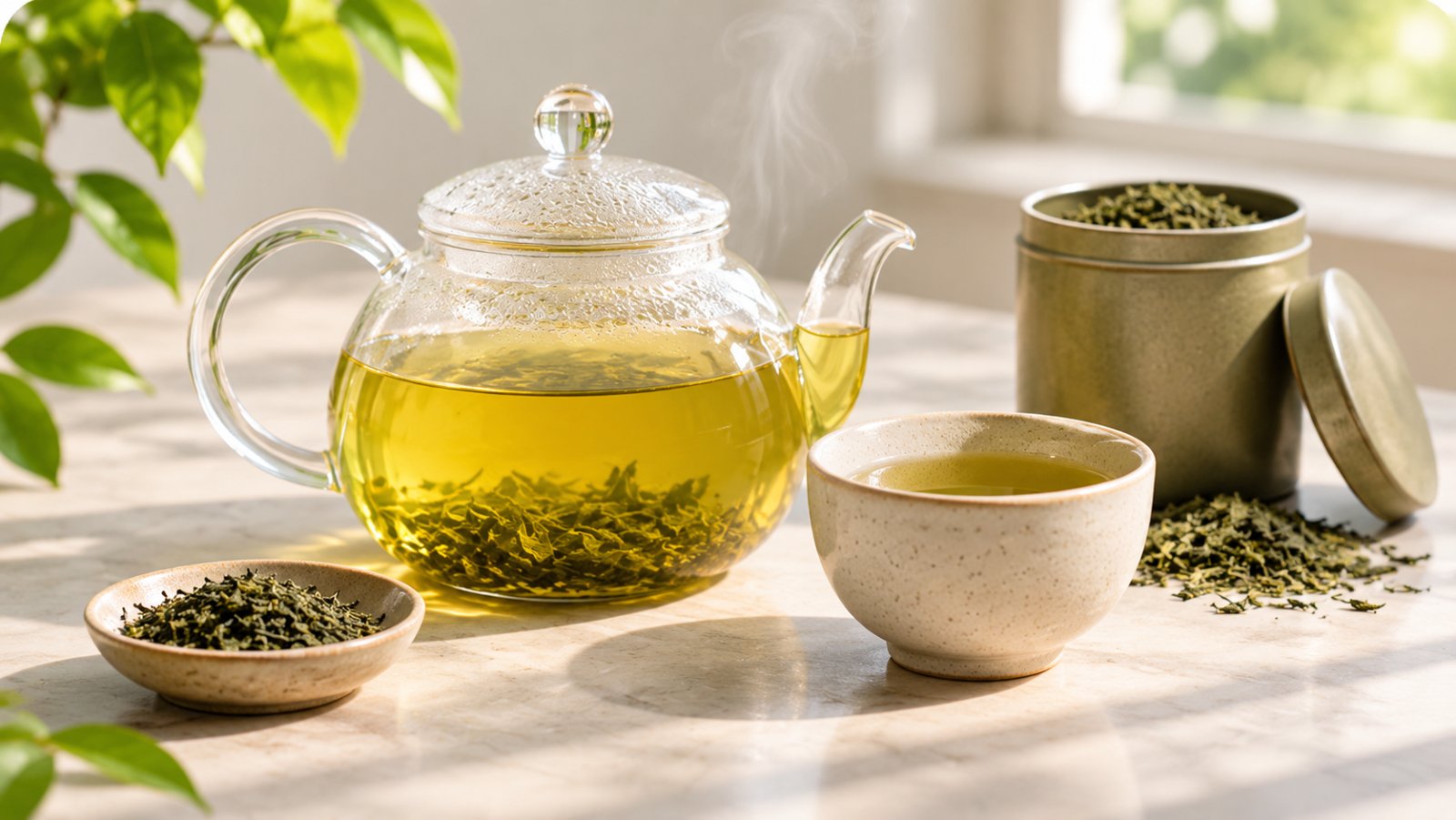
Can Green Tea Cause Bloating? When It May Worsen Symptoms
Green tea contains caffeine and tannins, and for some people these can cause bloating or discomfort.
Other reasons green tea may worsen symptoms:
- Caffeine sensitivity speeding up the gut too much
- Tannins causing mild nausea in some people
- Drinking it very hot and fast, which can make you swallow air
Caffeine and Bloating: Finding Your Threshold
Your threshold is personal. Some people feel fine after three cups. Others feel gassy after one. A simple way to find yours:
- Start with one cup a day for a week.
- Note how your stomach feels an hour later.
- Add a second cup and watch again.
- Stop at the point where discomfort starts.
If caffeine is a problem for you, a caffeine-free herbal blend is a sensible swap. Our guide to caffeine-free herbal tea blends walks through the options so you can find one that suits your routine.
How Much Green Tea to Drink for Digestive Support
For most people, one to three cups a day is a reasonable range. More is not better here. The goal is a gentle habit, not a dose.
Timing matters as much as quantity:
- After meals is easiest on the stomach.
- Mid-morning suits most people better than first thing.
- Avoid it late if caffeine affects your sleep.
If you are new to green tea, start with one cup. Weakly brewed is gentler than strong. A lighter steep also reduces the tannins that can upset a sensitive gut.
Here is the practical guidance the article gives on amount and timing.
Item |
Value |
Note |
|---|---|---|
Daily range for most people |
One to three cups a day |
More is not better here |
Best timing |
After meals |
Easiest on the stomach |
Also suits most people |
Mid-morning |
Better than first thing |
Timing to avoid |
Late in the day |
If caffeine affects your sleep |
If new to green tea |
Start with one cup |
Weakly brewed is gentler than strong |
Brew strength |
A lighter steep |
Reduces tannins that can upset a sensitive gut |
Other Teas That May Ease Bloating
Green tea is not your only option. Several herbal teas are well known for settling the stomach, and many people find them more reliable than green tea for gas and fullness.
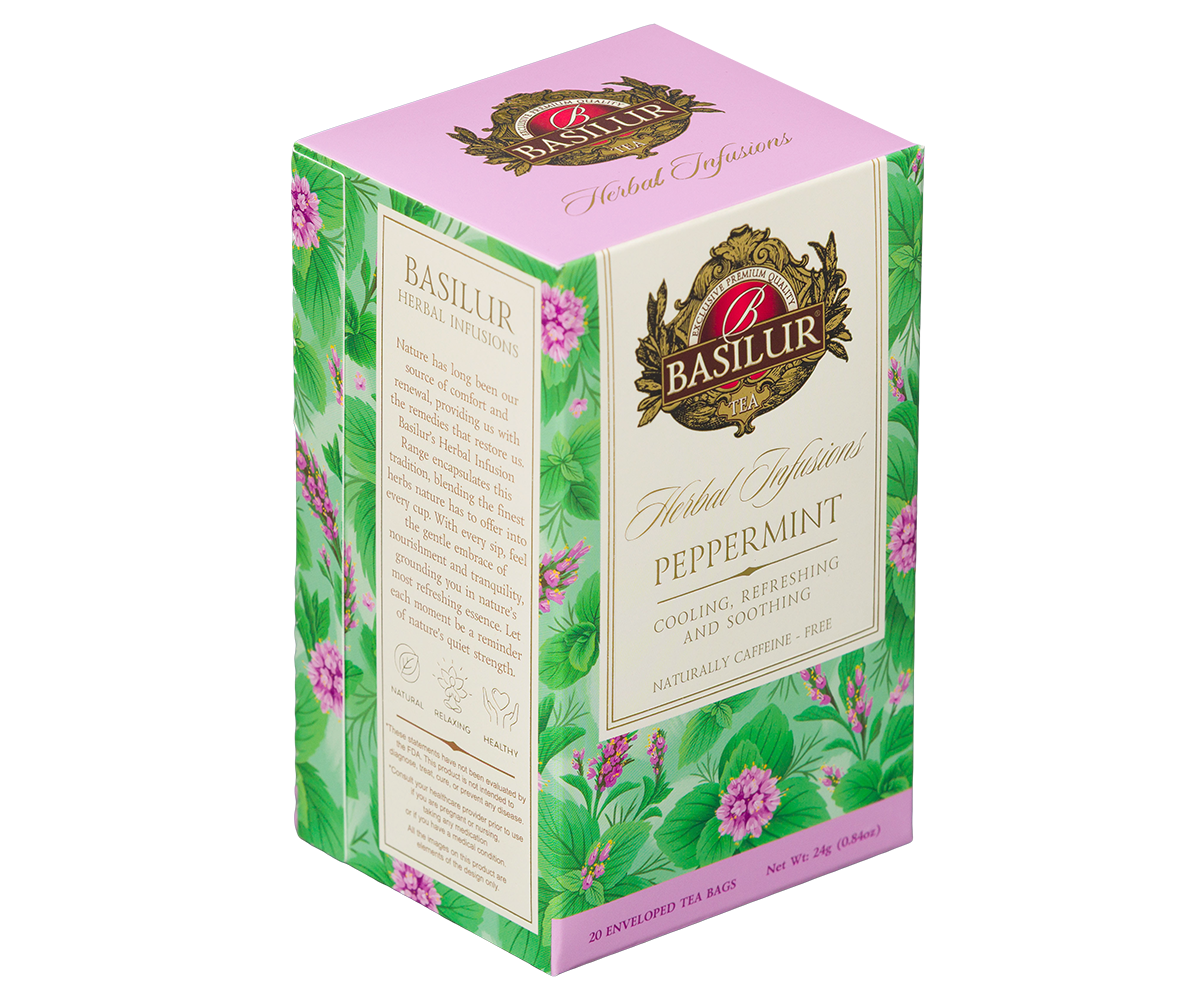
Peppermint Tea and Gut Relaxation
Peppermint is treasured for its cool, invigorating qualities.
If you want to try it, our peppermint herbal infusion is a simple place to start.
Ginger and Fennel Tea for Gas Relief
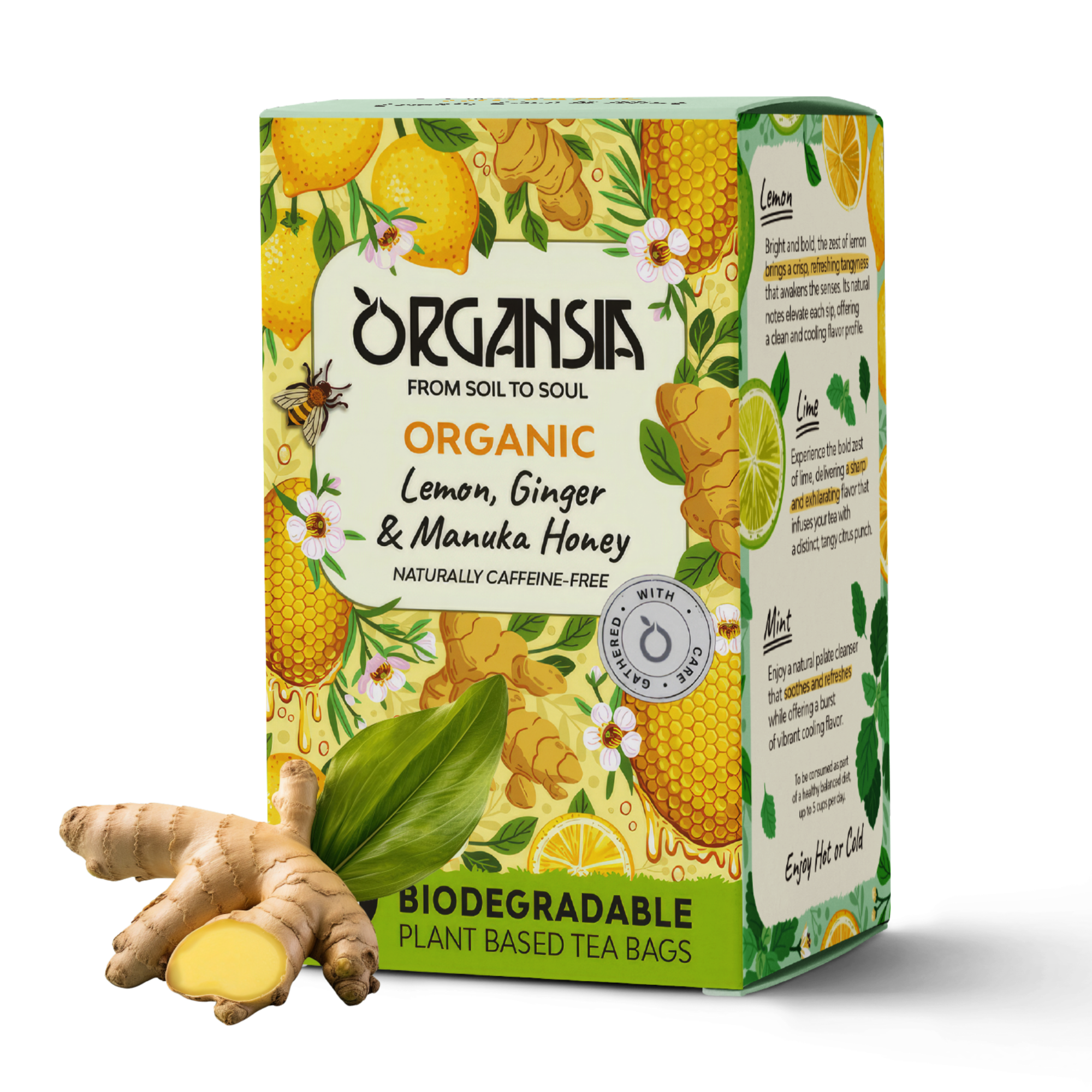
A ginger blend can be a lovely option if you want something with a little warmth. Our organic lemon ginger Manuka honey tea pairs ginger with honey for a gentle, comforting cup.
Persistent Bloating Causes and When to Seek Help
Occasional bloating is normal. Persistent bloating is not something tea will fix, and it is worth understanding why. Different causes respond to different approaches, so the first step is working out which type you have.
Distinguishing the Types of Bloating
- Gas and trapped air tends to come on within an hour of eating, feels sharp or pressure-like, and eases with movement or passing wind.
- Constipation-related fullness builds over days, sits low in the abdomen, and is relieved by a bowel movement.
- Fluid retention shows as puffiness in the hands, face or ankles, often after salty meals or around hormonal changes, and does not shift with burping or wind.
- Meal-related fullness is a heavy, stretched feeling after a large or rich meal that settles as digestion proceeds.
Common Triggers Worth Reviewing
- Dietary triggers such as excess sodium, fizzy drinks, or rich food
- Constipation, which often causes fullness and discomfort
- Water retention linked to salty meals or hormonal changes
- Eating too fast, which traps air
- Individual food sensitivities such as lactose or certain fibres
Safety, Interactions and Who Should Use Caution
- Caffeine sensitivity: green tea contains caffeine, so if you are prone to jitters, reflux or loose stools, keep cups small and drink them after food.
Red Flags: When Not to Rely on Tea
Some bloating has deeper causes. Please see a doctor if bloating is:
- Constant or lasting more than a few weeks
- Paired with pain, weight loss, or changes in bowel habits
- Accompanied by nausea or vomiting
- Associated with blood in the stool, fever, or difficulty swallowing
- New and persistent after menopause, which warrants prompt assessment
If you are exploring how other teas affect digestion, our look at whether Ceylon black tea is good for digestion covers the evidence for another tea type.
Choosing a Green Tea That Supports Your Gut
The best green tea for your gut is one you actually enjoy and can drink comfortably. Quality matters, but so does the blend.
A few things to look for:
- Whole-leaf tea over dust and fannings, for a smoother, gentler cup
- A mint blend if you want extra soothing
- A lighter steep if strong tea upsets your stomach
Our Moroccan Mint Green Tea blends Ceylon green tea with Moroccan spear mint. It is a refreshing, palate-cleansing cup. If you want to learn how brewing affects the good compounds, our guide to brewing rules that protect tea antioxidants is worth a read.
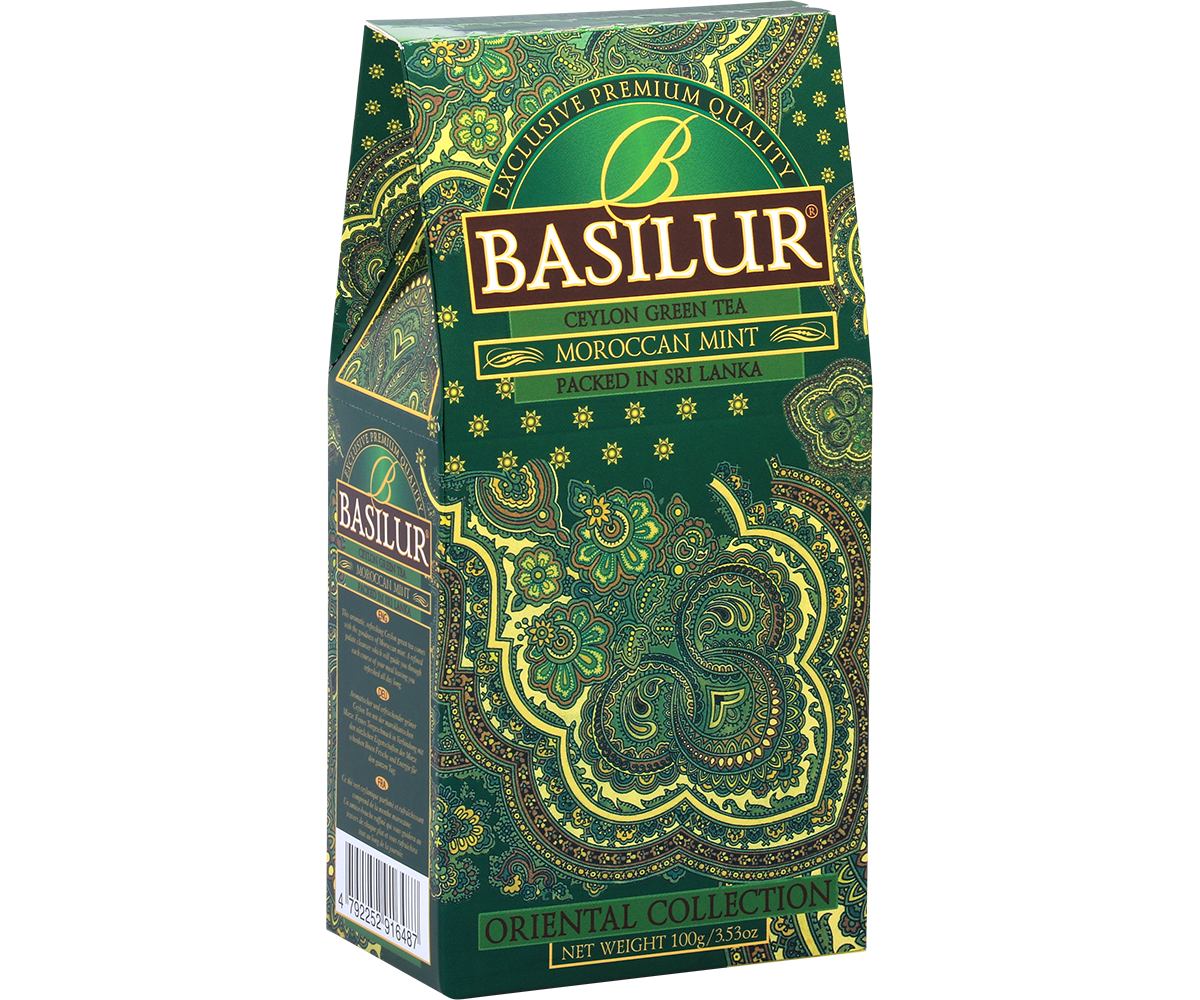
If you are not sure where to start, try one cup after a meal and see how your body responds. That is the only test that really matters.
Bloating is uncomfortable, and finding a drink that sits well with you makes a real difference. At Basilur Tea, we offer premium Ceylon green and herbal blends, including our Moroccan Mint Green Tea and soothing peppermint infusions, each crafted from fine ingredients and blended for a refreshing cup. Explore the range and find the blend that suits your gut and your routine.
Frequently Asked Questions
Does green tea help with bloating?
Clinical evidence specifically testing green tea for bloating is limited. It is best enjoyed as a gentle daily habit alongside other measures, not as a standalone remedy. If bloating is frequent or painful, speak to a health professional.
Can green tea make bloating worse?
Yes, for some people. Green tea contains caffeine, which can affect sensitive individuals differently. If you notice symptoms after drinking green tea, consider a lower-caffeine option or drinking it after a meal rather than before.
How much green tea should you drink for bloating?
A practical starting point is one to three cups a day, ideally after meals. This keeps caffeine intake moderate. More is not automatically better, and anyone sensitive to caffeine should stay at the lower end. Listen to your body and adjust based on how you feel.
What should you do if bloating keeps coming back?
Persistent bloating causes range from dietary triggers and constipation to fluid retention and, in some cases, underlying medical conditions. Keep a simple food and symptom diary for a few weeks, and review your fibre and sodium intake. If bloating lasts more than a few weeks or comes with pain, weight change or changes in bowel habits, see your doctor.









Comments (0)
There are no comments for this article. Be the first one to leave a message!