
Why Brewing Method Decides Your Antioxidant Intake
How you brew tea for maximum antioxidants matters more than most tea drinkers realise. The same leaf can give you a bright, beneficial cup or a bitter, depleted one depending on two things: water temperature and steeping time. Good brewing is a skill worth learning, and it starts with understanding what heat and time do to the leaf.
Tea antioxidants are natural plant compounds, mainly polyphenols, that are drawn out of the leaf during brewing. The hotter the water and the longer the steep, the more compounds end up in your cup, up to a point. For a closer look at what those compounds do, see our article on the health benefits of high quality green tea. Push too far and you extract harsh tannins instead.
Here is the tension most guides skip. A brew that tastes pleasant and a brew that carries the most antioxidants are not always the same cup. You are aiming for the overlap.
Below, we walk you through seven brewing rules that protect tea antioxidants, from water temperature to leaf choice, so every cup works a little harder for you.
The Best Water Temperature for Tea, by Type
The best water temperature for tea depends on the type of leaf, and the reason is chemical rather than ceremonial. Tea compounds dissolve more readily as water gets hotter. But so do the tannins and caffeine that make a cup taste sharp and drying. Temperature is the dial that decides which of those you pull out first.
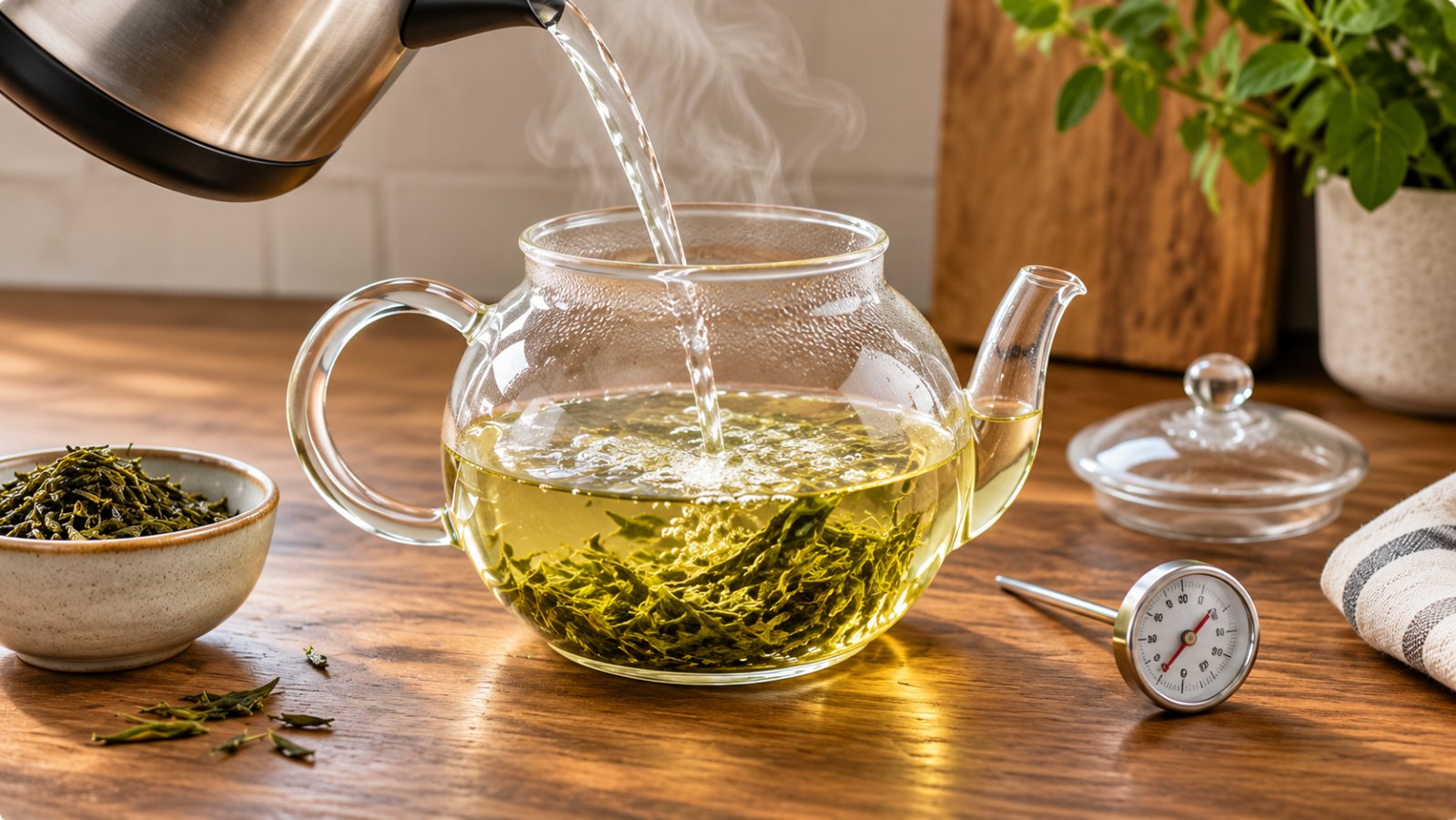
Here is the working range we would use, in degrees Celsius:
- Green tea: 70-80°C. Water above about 80°C scalds the leaf, pulls out bitterness fast and can degrade some of the delicate catechins you are trying to keep.
- White tea: 75-85°C. Slightly warmer than green is fine because the leaf is less processed, but boiling water will flatten the flavour.
- Oolong tea: 85-95°C. The rolled, oxidised leaf needs more heat to open up, but you still want to stay just off a rolling boil.
- Black tea: 95-100°C. Fully oxidised leaf handles freshly boiled water well; cooler water under-extracts and gives a thin, flat cup.
A simple kitchen thermometer takes the guesswork out. If you do not have one, a rough rule is to boil the kettle, then wait about 60-90 seconds for green and white tea, and 20-30 seconds for oolong. Once you know how your kettle behaves, you can judge it by sound and steam.
Watch out: the biggest temperature mistake is not using water that is too hot, it is using water that is too cool and then steeping longer to compensate. That trades a clean, bright cup for a dull, woody one, and it does not recover the polyphenols you were hoping for.
Treat temperature as a tool for a better-tasting, more consistent brew.
How Long to Steep Tea Without Losing the Good Stuff
How long to steep tea is the second half of the equation, and it is where most cups go wrong. Extraction keeps climbing with time, but so do the bitter tannins, so there is a sweet spot, and it moves depending on how hot your water is.
For most green teas, two to three minutes is plenty. Black and oolong teas can take three to five. White tea sits somewhere in between. Those ranges assume you are brewing at the temperatures in the chart above; if you drop the water temperature by 10°C, expect to add roughly 30-60 seconds to get a comparable strength.
The thing nobody tells you about steeping is that longer is not automatically better. Past a certain point you are mostly adding astringency, not benefit. If your tea turns sharp and drying on the tongue, you have crossed the line. The practical way to find your line is to steep for the shorter time first, taste it, then add thirty seconds next time. You will quickly find the point where flavour and goodness meet.
A few specifics that make a real difference:
- Leaf size matters. Whole-leaf tea releases its compounds more slowly than broken leaf or dust, so a whole-leaf green tea may need the full three minutes where a bagged version is done in two.
- Water ratio matters. Roughly one teaspoon of loose leaf per 200-250 ml of water is a sensible starting point; a weaker brew extracts faster per leaf but tastes thin, so resist the urge to overleaf to compensate.
- Multiple infusions. Many green and oolong teas can be re-steeped two or three times. Each subsequent steep needs a little more time, often 30-60 seconds longer, because the leaf is already partly spent.
- Strain promptly. Leaving the leaf sitting in the water after you have poured is the most common way a good cup turns bitter; lift the infuser or pour off the liquor as soon as the time is up.
Watch out: if you are brewing to a timer but the cup still tastes harsh, the problem is usually temperature rather than time. Drop the water temperature before you shorten the steep further, or you will end up with a weak, unsatisfying cup that has given up flavour without giving up much else.
For a closer look at getting green tea right, our guide on how to brew loose green tea leaves properly walks through the full method step by step.
Your Tea Brewing Temperature and Time Chart
A tea brewing temperature and time chart takes the guesswork out of every cup. Use this as your starting point, then adjust to your taste.
Tea Type |
Water Temperature |
Steep Time |
Watch For |
|---|---|---|---|
Green |
70-80°C |
2-3 minutes |
Bitterness if water is too hot |
White |
75-85°C |
3-4 minutes |
Weakness if water is too cool |
Oolong |
85-95°C |
3-4 minutes |
Balance of floral and body |
Black |
95-100°C |
3-5 minutes |
Harshness if over-steeped |
Steep Time
Keep this chart near the kettle. After a week you will stop needing it, because your hands and eyes will know the rhythm.
The chart is a starting point, not a rulebook. Every leaf is a little different, and your own taste decides the final call.
Cold Brew Tea Antioxidants: What Steeping Cold Changes
Cold brew tea antioxidants extract differently from hot brews. Cold water is gentler and slower, drawing out a smoother, less bitter cup over several hours rather than minutes.
What steeping cold changes is the balance. You get less of the harsh tannins and a softer, sweeter flavour, which many people prefer for green tea. The trade-off is time: you are looking at several hours in the fridge, not a quick steep.
Here is how we would do it:
- Use roughly double the leaf you would for a hot brew
- Add cold, fresh water
- Refrigerate for six to twelve hours
- Strain and serve over ice
If you want to try this at home, our cold brew collection is built for exactly this slower, gentler method.
Cold brewing will not give you the same cup as a hot steep, but for many drinkers it is a more enjoyable way to get the benefits without the bitterness.
Loose Leaf vs Tea Bags: Which Brews More Antioxidants
Whole leaves give the water room to move, so extraction is more even than with the dust and fannings often found in bags.
What most guides miss is that the leaf form matters as much as the leaf itself. A broken leaf releases its contents fast, which can mean a quick, strong cup that tips into bitterness. A whole leaf gives you more control.
- Whole leaf: slower, more even extraction, better for careful brewing
- Broken leaf: faster release, less forgiving of over-steeping
- Dust and fannings: quickest of all, hardest to control
Check the leaf before you buy. Look for whole, twisted leaves you can see and smell.
For a deeper comparison, our article on whole leaf tea versus tea bags breaks down the differences in detail.
Pick a Leaf Built for Careful Brewing
The final rule is the simplest: start with a leaf worth brewing carefully. No temperature or timing trick can rescue a tired, broken leaf.
A good loose leaf green tea gives you room to work. It rewards a cooler pour and a shorter steep with a smooth, mild cup rather than a bitter one.
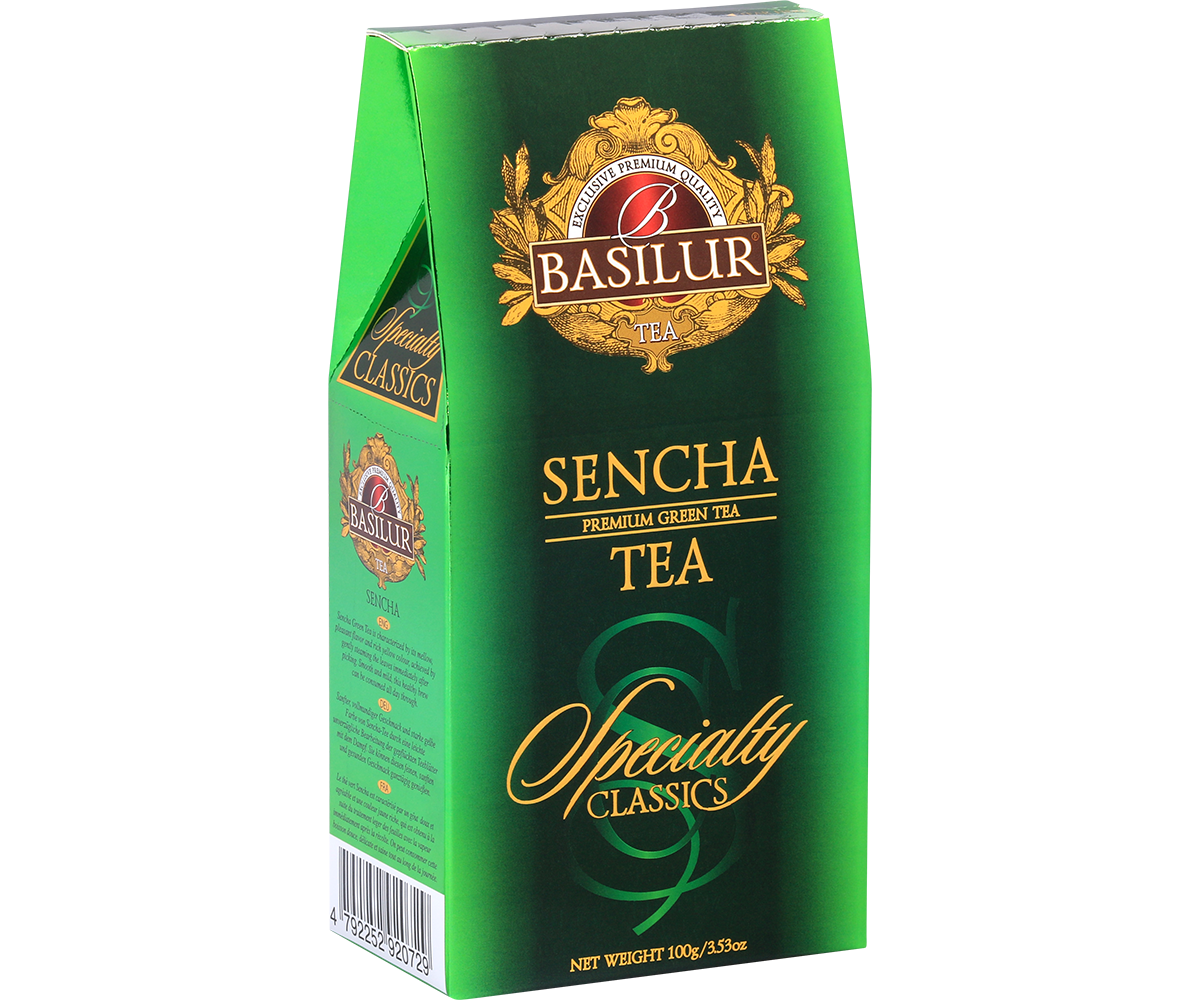
We would point you to our Sencha loose leaf green tea, a gently steamed leaf with a mellow flavour and a rich yellow colour. It is the kind of tea that makes careful brewing feel effortless.
Watch out: buying on packaging alone is the most common mistake. A beautiful tin means nothing if the leaf inside is stale or broken. Open it, smell it, look at the leaves.
Brewing well is not about complicated equipment. It is about a good leaf, water at the right temperature, and a steep you have learned to trust.
Ready to put these rules into practice? At Basilur Tea, we bring the best of Ceylon directly to you, with premium loose leaf teas packed to preserve freshness, flavour and antioxidant goodness. Our range includes sencha green teas and beautifully crafted tin caddies that make a thoughtful gift. Get started with Basilur Tea and brew a cup that tastes as good as it does good.
Frequently Asked Questions
Does steeping tea for longer release more antioxidants?
Up to a point. Going well past the recommended time mostly pulls out extra tannins and caffeine, which makes the cup bitter. Stick to the time for your tea type, usually two to three minutes for green and three to five for black, and you capture most of what the leaf offers.
Does cold-brewed tea contain antioxidants?
Yes, though the profile differs from a hot brew. Cold water extracts fewer catechins over a short window, so cold brew tea antioxidants build up slowly across six to twelve hours in the fridge. The trade-off is a smoother, less bitter cup with less caffeine. Use roughly double the leaf you would for hot brewing and give it overnight to get a meaningful amount into the glass.
Should loose-leaf tea be brewed differently from tea bags?
Loose leaf usually needs a little more room and a little less time. Whole leaves unfurl and release flavour and antioxidants more evenly, so a two to three minute steep often does the job, while fine dust in bags can release quickly but turn bitter fast. Use about one teaspoon of loose leaf per 200ml, give it space in the pot, and adjust time rather than quantity when you want a stronger cup.
Does adding lemon affect the antioxidants in tea?
It can help. The vitamin C in lemon creates a slightly acidic environment that helps catechins survive digestion, so more of them may be absorbed. Add the lemon after brewing rather than during, since very acidic water can slow extraction slightly. A squeeze in the cup is enough; you do not need to brew the tea with lemon juice in the pot.










Comments (0)
There are no comments for this article. Be the first one to leave a message!