
Earl Grey vs English Breakfast for Morning Milk Tea
For a morning milk tea, English Breakfast is the safer bet. Its full-bodied Ceylon base holds up to milk without losing character, while Earl Grey's bergamot can turn sharp and soapy once dairy hits the cup.

That's the short version. The longer answer depends on how you take your tea, how strong you brew it, and whether you're willing to adjust your method. At Basilur Tea, we blend both styles from pure Ceylon leaf, and the difference in the cup comes down to one thing: how each blend behaves when milk is added.
Below, we'll break down both blends side by side, explain what happens when milk meets bergamot, and show you how to brew Earl Grey so it still works as a morning milk tea if you prefer that citrus lift.
Earl Grey vs English Breakfast at a Glance
English Breakfast is a strong black tea blend built to carry milk and sugar, while Earl Grey is a black tea flavoured with bergamot oil, a citrus extract from the bergamot orange. Both are traditionally taken with milk, but they respond to it very differently.

Feature |
English Breakfast |
Earl Grey |
|---|---|---|
Base tea |
Pure Ceylon black tea |
Pure Ceylon black tea with bergamot oil |
Flavour profile |
Malty, full-bodied, brisk |
Citrus-forward, floral, bright |
Milk compatibility |
Excellent, milk softens and rounds it |
Variable, milk can mute or clash with bergamot |
Best brew time |
3-5 minutes |
3-4 minutes |
Risk with milk |
Low |
Medium to high if over-steeped |
Best for |
Daily morning milk tea |
Drinkers who want citrus with a splash of milk |
The table tells you most of what you need. English Breakfast is forgiving. Earl Grey is not.
Why English Breakfast Tea with Milk Is the Safer Morning Bet
English Breakfast tea with milk works because the blend was designed for it. The tea is full-bodied and strong, with enough tannin and malt character to stay present once milk is added. Milk softens astringency and rounds out the edges, and a strong Ceylon base has plenty of edges to soften.
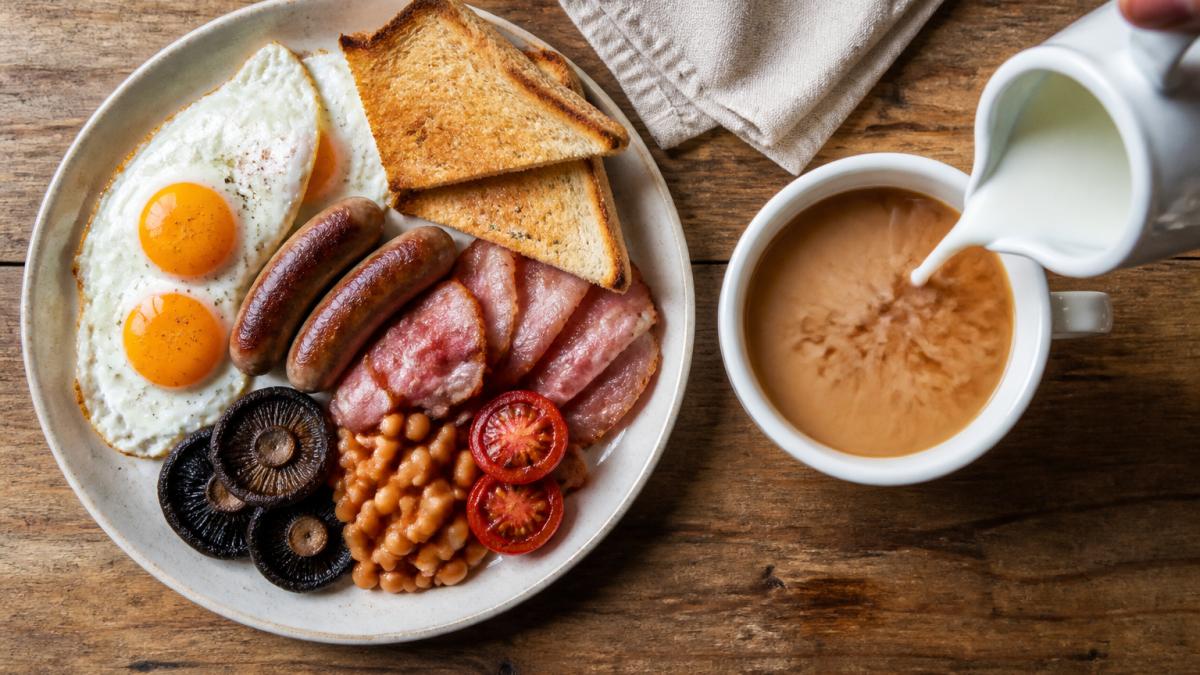
The blend's history supports this. English Breakfast was first created in Edinburgh in the 19th century as a strong tea to accompany a hearty cooked breakfast, and that purpose still shapes how it's blended today. Our Specialty Classics English Breakfast - Tin Caddy is built on pure Ceylon leaf for exactly this style of drinking: 100g of loose leaf in a foil pouch inside a metal caddy, so the leaf stays fresh between morning brews.
If you want the same blend in a format that suits a busy kitchen, the 100 Foil Envelope Bulk Pack covers a hundred cups without measuring.

What Happens When You Add Milk to Earl Grey
Adding milk to Earl Grey is where most drinkers run into trouble. Bergamot oil is a volatile citrus flavouring, and dairy coats the palate in a way that can dull the citrus or, worse, push it toward a soapy, perfumed note.
The chemistry is straightforward. Bergamot aroma compounds are delicate and water-soluble, while milk fat and proteins bind to flavour molecules and mute them. A light splash can work. A generous pour usually doesn't.
There's a second problem: over-steeping. Earl Grey turns bitter faster than English Breakfast because the bergamot sits on top of the leaf rather than inside it. Brew it past four minutes and you get astringency that milk can't fix, only mask.
That said, Earl Grey with milk is a legitimate style, and plenty of drinkers prefer it. The trick is restraint on both the steep and the pour. Our Specialty Classics Premium Earl Grey - Tin Caddy uses bergamot oil blended with pure Ceylon leaf, which gives a smoother, less perfumed cup than heavier-handed versions.
How to Brew Earl Grey Tea So Milk Doesn't Overpower It
To brew Earl Grey tea for a milk drink, use less milk than you would with English Breakfast, steep for three minutes, and add the milk last. The goal is a citrus accent, not a diluted latte.
Here's the method we recommend:
- Use one teaspoon of loose leaf per 200ml of freshly boiled water
- Steep for 3 minutes, no longer
- Remove the leaf completely before adding anything
- Add a small splash of milk, roughly 20ml, and taste
- Add more only if the bergamot still reads clearly
Temperature matters too. Water just off the boil, around 95°C, extracts flavour without scorching the leaf. If you're using a foil envelope, one envelope per cup is the right ratio.
Specialty Classics English Breakfast - Tin Caddy - 100g Loose Leaf Black Tea →
The order you add things also changes the result. Pouring milk into the cup first, then the tea, is an old method that tempers the brew slightly and can make a delicate blend like Earl Grey more forgiving. Try it both ways and see which suits your morning routine.
Loose Leaf or Envelopes: What to Buy for a Daily Milk Tea
Loose leaf gives you better control over strength, which matters more for Earl Grey than English Breakfast. Whole leaf also brews a cleaner cup with less dust, and dust is what turns bitter fastest when milk is involved.
For a daily habit, the decision usually comes down to convenience versus control:
- Loose leaf in a caddy: best flavour, best control, needs a strainer and a teaspoon
- Foil envelopes: pre-measured, portable, consistent, no equipment needed
- Bulk packs: best value per cup if you drink tea every morning
For English Breakfast, either format works well because the blend is forgiving. Our 100g Loose Leaf pack is the pick if you want to dial in your own strength, and it comes in a foil zip-lock inner bag that keeps the leaf fresh.
For Earl Grey, loose leaf is the stronger choice. You can cut the steep short the moment the flavour is right, which is the single most useful lever you have when milk is going in the cup. The Earl Grey Foil Envelope Bulk Pack suits anyone who wants that citrus cup without the measuring.
The Verdict: Which One Belongs in Your Morning Cup
English Breakfast wins for a daily morning milk tea. It's built for milk, it forgives a heavy pour, and it holds its malt and body even when you're half awake and not measuring anything.
Earl Grey can work, but it asks more of you: a shorter steep, a lighter splash of milk, and a willingness to taste as you go. If you want citrus in the morning, it's worth the effort. If you want a cup you can make on autopilot, English Breakfast is the one.
Our advice is to keep both in the cupboard. Start the week with English Breakfast and reach for Earl Grey when you want something brighter. Both are blended from pure Ceylon leaf, and both come in caddies designed to sit on the bench rather than hide in a drawer.
Frequently Asked Questions
Is Earl Grey or English Breakfast better with milk?
English Breakfast is the safer choice because its full-bodied Ceylon black tea base holds up against milk without losing character. Earl Grey can work with milk, but the bergamot oil that gives it its citrus aroma is delicate, so a heavy pour dulls the very thing you bought it for. If you drink your morning milk tea with a generous splash and sugar, choose English Breakfast. If you want just a dash of milk and enjoy the citrus lift, Earl Grey still works.
Does Earl Grey taste good with milk?
It can, provided you keep the milk light. Brew the tea strong first, then add a small amount, around 10 to 15 millilitres, so the bergamot stays noticeable. Whole milk tends to round off the citrus edge more gently than skim. If your Earl Grey with milk tastes flat, the usual cause is too much milk rather than the tea itself, so reduce the pour before changing blends.
Which tea is stronger, Earl Grey or English Breakfast?
English Breakfast generally tastes stronger in the cup. It is blended to be full-bodied and rich, which is why it is traditionally paired with milk and sugar alongside a hearty breakfast. Earl Grey brews to a bright colour with a smooth aroma, so it feels lighter even though both are black teas. If you want a bracing morning cup that still tastes like tea after milk, English Breakfast is the stronger option.
How long should you steep English Breakfast tea with milk?
Steep for three to five minutes, then lift the leaves or bag out before adding milk. Going past five minutes pulls out bitterness that milk cannot hide. Use water just off the boil, roughly 95 to 100 degrees Celsius, and one teaspoon of loose leaf per cup. If you take your English Breakfast tea with milk every morning, a 100g loose leaf pack gives you a consistent cup without the guesswork of varying bag strength.
Can you drink Earl Grey and English Breakfast tea in the morning?
Both suit a morning routine, and the choice comes down to how you take them. English Breakfast is the classic breakfast blend, built to stand alongside food and milk. Earl Grey works well if you prefer a lighter, citrus-forward start and take your tea with little or no milk. Rotating the two across the week is a simple way to keep mornings interesting without changing your brewing method.
The hardest part of a morning milk tea isn't choosing a blend, it's finding one that tastes the same on a rushed Tuesday as it did on a slow Sunday. Basilur Tea blends pure Ceylon leaf for consistency in the cup, packs it in foil to protect freshness, and presents it in metal caddies built to sit out on the counter. Explore our English Breakfast and Earl Grey collections and find the blend that earns its place in your morning routine.










Comments (0)
There are no comments for this article. Be the first one to leave a message!