
Table of Contents
- How to Judge Whether Premium Tea Is Worth the Price
- The Cost Per Cup of Premium Tea: The Only Number That Matters
- What Separates Premium Tea From Supermarket Bags
- How to Brew the Perfect Cup of Loose Leaf Tea
- Reusing Tea Tins for Loose Leaf Storage
- Gifts, Everyday Cups and the Diminishing Returns Threshold
- Frequently Asked Questions
Last Updated: September 28, 2026
How to Judge Whether Premium Tea Is Worth the Price
Premium tea is worth the price when its cost per cup stays low while the sensory experience, leaf grade, and sourcing traceability rise. At Basilur Tea, we suggest judging every tin against three measures: what you pay per serve, what grade of leaf sits inside, and how the brewed cup actually tastes.
That framing matters because the tin price misleads. A $20 tin of whole-leaf Ceylon can work out cheaper per cup than a supermarket box of 100 bags, simply because whole leaves infuse more than once.
Below, we'll show you exactly how to run that maths, how to spot fannings and dust hiding behind elegant packaging, and where premium tea stops being good value and starts being decoration.
The Cost Per Cup of Premium Tea: The Only Number That Matters
The cost per cup of premium tea is the tin price divided by the number of cups it makes, and it is the single most useful figure in this whole debate. A 100g tin of loose leaf can yield around 40 cups at 2.5g per serve. For example, The Island of Tea - Special Ceylon Black Tea - 100g Loose Leaf Tea is $21.99, which works out to roughly 55 cents a cup.

The maths gets better again with re-steeping. Whole-leaf tea holds its flavour across a second and sometimes third infusion, which pushes the effective cost per cup down further. Fannings and dust, by contrast, give you one decent cup and nothing after it.
That is the quiet reason premium tea earns its price. You are not buying a luxury; you are buying more cups from the same weight of leaf.
What Separates Premium Tea From Supermarket Bags
Leaf grade and sourcing separate premium tea from supermarket bags, and both are visible before you brew. The grade tells you which part of the tea plant ended up in your tin. The sourcing tells you whether anyone can name the estate it came from.
Whole-Leaf Grades vs Fannings and Dust
Whole-leaf grades keep the leaf intact through processing, so the leaf unfurls slowly and releases flavour in layers. Fannings and dust are the small fragments left over after the good leaf has been sorted out. They brew fast and dark, which is why they suit a bag and a quick dunk.
You can see the difference without any equipment. Tip a spoonful onto a white saucer. Whole leaf shows wiry, rolled strands, sometimes with visible tips. Fannings look like coarse sand. Dust looks like, well, dust.
Rare Tea Luxury Wooden Gift Box - 4 →
The trade-off is honesty in packaging. A beautiful box tells you nothing about grade. The leaf inside tells you everything.
Single-Origin Sourcing and Estate Craftsmanship
Single-origin and estate-grown teas come from one defined growing area rather than a blend of whatever was available that season. That matters because altitude, rainfall, and soil shape the cup in ways a blend is designed to smooth away.
Ceylon tea from the hill country brews bright and brisk. Lower-elevation gardens give a rounder, fuller body. Neither is better; they are simply different, and a single-origin tin lets you taste the difference on purpose.
Estate craftsmanship also affects quality control. Hand-sorted leaf is more consistent, and consistency is what you are really paying for when you buy the same tin twice.
| What You're Buying | Leaf Grade | Cups Per 100g | Typical Cost Per Cup |
|---|---|---|---|
| Tea bags (general) | Fannings and dust | 30-40 | Low, one infusion only |
| Other loose leaf | Broken grades | 40-50 | Moderate |
| Premium whole leaf | Whole leaf and tips | 40-50, re-steepable | Low to moderate across two infusions |
How to Brew the Perfect Cup of Loose Leaf Tea
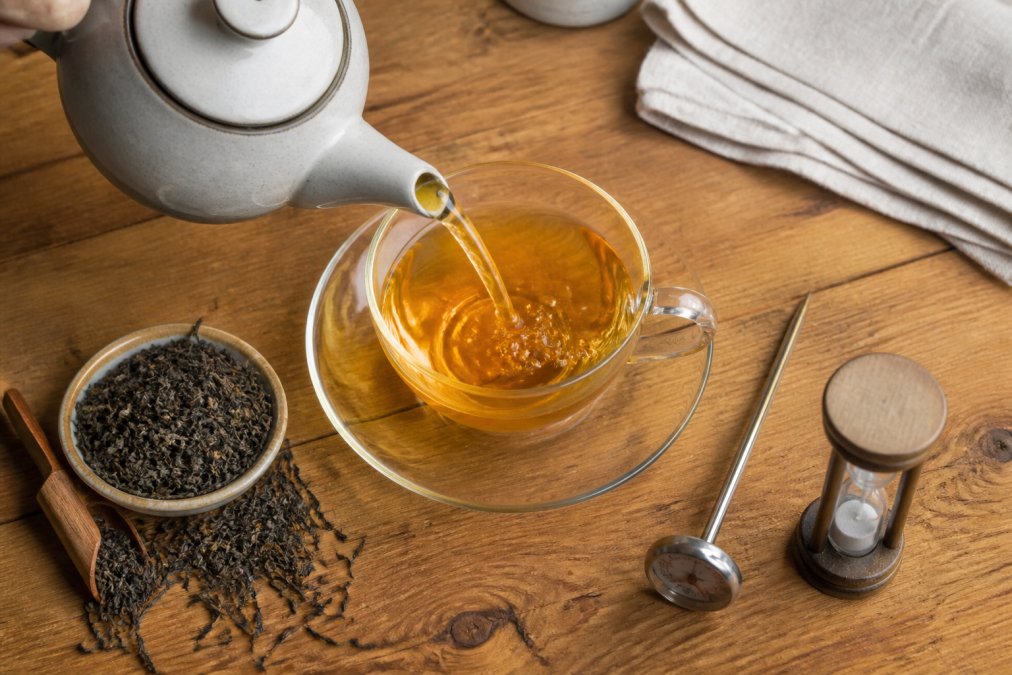
Learning how to brew the perfect cup of loose leaf tea comes down to four variables: leaf quantity, water temperature, steeping time, and room for the leaf to expand. Get those right and a good tin tastes like a great one. But brewing well is only half the skill. The other half is training your palate to notice what you are paying for.
The Four Variables That Matter
Start with 2.5g of leaf per 200ml of water. Black Ceylon generally wants water just off the boil, around 95°C, while white and green teas prefer cooler water nearer 80°C. Steep black tea for three minutes; white tea often needs four.
How to Cup Tea Like a Professional
Most people drink tea without ever tasting it. Cupping is the practice of tasting tea deliberately, the way a buyer would when assessing a lot. You do not need special equipment, just a spoon, a mug, and a few minutes of attention.
Why This Matters for the Price
Once you can taste the difference between a whole leaf and a fanning, the price question answers itself. You are not paying for a story on a tin. You are paying for a cup that rewards attention, and for leaf that gives you a second and third infusion instead of one flat serve.
Reusing Tea Tins for Loose Leaf Storage
Reusing tea tins for loose leaf storage works well when the tin seals properly and never held anything strongly scented. Metal caddies block light and hold a seal better than most cardboard boxes, which is why so many premium teas arrive in them. But the reason storage matters so much comes down to chemistry, not just habit.
Rare Tea Luxury Wooden Gift Box - 4 →
What Actually Degrades Tea
Three things pull a good tea apart over time: oxygen, moisture, and light. Oxygen oxidises the volatile compounds that give tea its aroma, which is why an old tin smells dull rather than bright. Moisture encourages mould and flattens flavour. Light breaks down chlorophyll and the pigments that keep leaf looking fresh.
A Storage Method That Works
The method is simple:
- Finish the original tea completely and wipe the tin dry.
- Air it for a day so no old aroma lingers.
- Line the tin with the foil pouch your new tea arrived in, if it has a zip lock.
- Press out excess air and seal the pouch before closing the lid.
- Label the lid with the tea name and the date you opened it.
- Store the tin somewhere cool, dark, and away from spices.
Keep tea away from coffee, spices, and anything else with a strong smell. Tea leaf absorbs surrounding aromas, and a tin that once held chai will flavour everything you put in it afterwards.
How Long Does It Actually Last?
Shelf life is longer than most people assume, but it is not indefinite. Whole-leaf tea held in a sealed tin in a dark cupboard keeps its character for many months, and often longer than that. The flavour does not fall off a cliff; it fades gradually, the way a photograph fades in sunlight.
Gifts, Everyday Cups and the Diminishing Returns Threshold
The diminishing returns threshold is the point where extra spend stops changing what is in your cup. Below it, more money buys better leaf, better sorting, and better storage. Above it, you are mostly buying rarity, presentation, and the pleasure of giving something beautiful.
Frequently Asked Questions
What makes tea considered premium?
Premium tea is defined by leaf grade, origin and processing rather than packaging. Whole-leaf grades such as FBOPF or OP1 keep more of the leaf intact, which preserves aromatic oils and gives a fuller mouthfeel. Single-origin and estate-grown lots trace back to a specific garden and harvest season, so quality is consistent. Handmade craftsmanship, first flush picking and careful oxidation control all lift the cup above commodity blends. Price reflects how much leaf, labour and rarity went into it.
Does loose leaf tea provide better value than tea bags?
Usually yes, once you calculate cost per cup. Loose leaf expands fully in the pot, so you extract more flavour from each gram and can often re-steep the same leaves two or three times. Tea bags holding fannings and dust release their flavour quickly but fade after one infusion. For example, The Island of Tea - Special Ceylon Black Tea - 100g Loose Leaf Tea is $21.99, which works out to roughly 22 to 44 cents per cup depending on strength, and delivers a noticeably different sensory experience.
How should premium tea be stored to maintain its value?
Keep tea away from light, heat, moisture and strong odours. A sealed metal caddy or foil pouch with a zip lock works well, and reusing tea tins for loose leaf storage is a practical option if the tin seals tightly and is kept in a cool cupboard. Avoid clear glass on an open shelf. Whole-leaf tea holds its aromatic profile for around 12 to 18 months when stored properly, while white and green styles fade faster, so buy quantities you will drink within that window.
Does the origin of the tea impact its premium status?
Origin affects both flavour and price. Ceylon tea from Sri Lanka is graded by elevation: high-grown lots from Nuwara Eliya, around 1,800 metres, produce a light, crisp brew, while Uva teas from the eastern highlands are known for smoothness and a seasonal peak from late July to mid-August. Estate-grown, single-origin leaves command more because traceability, terroir and harvest timing all influence the final cup.









Comments (0)
There are no comments for this article. Be the first one to leave a message!