
Last Updated: November 12, 2026
Quick Summary
Organic tea sourcing means buying only from suppliers who can prove in writing how the leaves were grown, handled and certified. Verify the certifier's name and licence number directly with the certifying body, confirm the certificate covers your exact products and facilities, and trace one lot from farm to finished pack.
- Ask for the certifier's name and licence number, then check that number with the certifying body itself.
- A certificate covers specific products, facilities and dates, so confirm it matches your order.
- A certificate for a farm does not automatically cover a separate blending or packing site.
- Request records at each handover: farm, processor, exporter, blender or packer, and finished product.
- Two or more missing items on a first-order due-diligence checklist is a reason to pause.
Table of Contents
- Why Organic Tea Sourcing Starts With the Paperwork
- How to Verify Organic Certification Before You Buy
- Organic Tea Label Requirements That Actually Matter
- What Tea Sourcing Transparency Looks Like in Practice
- Building a Traceable Tea Supply Chain From Farm to Cup
- A Supplier Due-Diligence Checklist for Organic Tea
- Harvest, Processing and Storage Controls to Question
- Choosing Your Next Organic Blend With Confidence
- Frequently Asked Questions
Why Organic Tea Sourcing Starts With the Paperwork
Organic tea sourcing is the practice of buying tea only from suppliers who can prove, in writing, how the leaves were grown, handled and certified.
Here is the uncomfortable truth most buying guides skip: a tea can look, smell and taste premium and still carry no verifiable organic claim at all. The word "organic" on a box is a marketing decision until a certificate backs it up.
Below, we will show you exactly how to check a supplier before you commit to a wholesale order or a large personal purchase. Seven checks, in order, from the certificate to the cup.
How to Verify Organic Certification Before You Buy
Verification starts with two questions: who certified this tea, and what exactly did they certify? If a supplier cannot answer both in under a minute, that is your answer.
Organic certification is a third-party audit process in which an independent certifying body inspects a farm or processor against a defined organic standard. The certificate is the output. The certifier's name is the proof.
Reading the Certifier's Name and Licence Number
Ask for the certifier's name and the operator's licence or certificate number. Then check that number directly with the certifying body, not with the supplier's own website. A legitimate operator will expect this question and answer it without hesitation.
Watch out: a supplier who sends a logo image but no licence number is showing you branding, not certification. Ask again, in writing.
Checking What the Certificate Actually Covers
This is where most buyers stop too early. A certificate covers specific products, specific facilities and a specific date range. Ask these questions:
- Which products on this certificate match what I am buying?
- Which processing facility was audited?
- When does the certificate expire?
- Does it cover the harvest lot I am receiving?
A certificate for a farm does not automatically cover a separate blending or packing site. Those are different links in the chain, and each one needs its own cover.
How to Check a Certificate's Validity in Practice
A certificate is a live document, not a permanent badge. Most certifying bodies publish a searchable register or operator listing, and the fastest check is to search the operator's name or licence number there rather than trusting a PDF sent by the supplier.
A common pattern is a certificate that is valid but narrow, it covers loose leaf but not the tea bag format, or covers the farm but not the blending room. Ask the supplier to point to the exact line on the certificate that covers your order. For practical tips on spotting genuine leaves, see how to identify authentic Ceylon tea leaves. If they cannot, treat the claim as unverified.
The Limits of a Certificate
Certification confirms that a defined standard was met at audit. It does not, on its own, confirm that every batch or ingredient is covered. Treat the certificate as the start of due diligence, not the end of it, and pair it with the lot-level records covered later in this guide.
Organic Tea Label Requirements That Actually Matter
Label claims are where organic tea sourcing gets tested, because packaging language is written to reassure rather than inform. Read the fine print like a sceptic.
Look for the certifying body's name and logo, the operator's licence number, the country of origin, and the ingredient list in descending order.
In practice, this means a blend can be labelled organic while a flavouring component is not. That is not necessarily dishonest, but it should be stated clearly.
Watch out: vague phrases like "made with organic ingredients" carry less weight than a full certification statement. If the wording is soft, ask what it means.
For a deeper walk through the terminology, our guide on reading tea grades without misreading Orange Pekoe explains how grade language and organic language sit side by side on a label.
What Tea Sourcing Transparency Looks Like in Practice
Tea sourcing transparency means a supplier can name the farm, the region, the harvest period and the processor without deflecting. Transparency is not a document. It is a willingness to answer follow-up questions.
A transparent supplier will tell you the growing region and the estate, the harvest season the lot came from, and who processed it. They will also admit what they do not know. That last part matters more than buyers expect.
If you want to see what a written standards framework looks like in full, our article on building sustainability standards for premium tea sets out how transparency commitments are structured and audited.
Building a Traceable Tea Supply Chain From Farm to Cup
Traceability is the ability to follow a tea lot backwards from your cup to a specific farm and harvest. It depends on records, not assurances.
The chain has clear handover points: farm, processor, exporter, importer, blender, packer. Each handover should generate a document. If one link has no record, the chain breaks there.
How Lot Codes Work
A lot code is the identifier that ties a finished pack to a specific harvest and processing run. In practice, the farm assigns a harvest or batch reference, the processor records it against the processing date, the exporter references it on shipping documents, and the packer prints a retail lot code that maps back to that chain.
Ask the supplier to show you one lot traced end to end. If the retail lot code cannot be matched to a processor batch record and a farm harvest record, the traceability claim is decorative.
The Records to Ask For at Each Stage
Here is what to request, stage by stage:
- Farm: organic certificate, harvest date, estate name and region, harvest lot reference
- Processor: facility certificate, batch or lot number, processing method, cleaning and pest-control records
- Exporter: shipping documents matching the lot number, transport and container conditions
- Blender or packer: certificate for that site, batch records, storage conditions, allergen and segregation controls
- Finished product: label copy, best-before date, lot code on the retail pack
A lot code that matches across these documents is the single best sign of a real chain of custody.
Testing Whether the Chain Is Genuine
Pick one retail pack at random and ask the supplier to trace it backwards in writing. A genuine chain will produce a consistent reference at every handover within a reasonable timeframe. A weak chain will produce a certificate and a shipping document but no processor batch record, or a batch record that does not match the harvest date on the farm document.
Watch out: a supplier who can only trace to the exporter, not to the farm and harvest, has a chain that stops short of the point that matters most for an organic claim.
When a Link Breaks
If one handover has no record, the chain breaks there and everything downstream inherits the uncertainty. The practical response is not to abandon the supplier but to narrow the claim: buy only the lots that can be traced end to end, request residue testing on the untraced lots, and set a written expectation that future orders carry complete records. A supplier who fixes the gap on the next order is worth keeping; one who cannot is a risk to your own label.
A Supplier Due-Diligence Checklist for Organic Tea
Due diligence is a structured set of checks you complete before the first order and repeat each year. Use this checklist as written, and keep the answers on file.
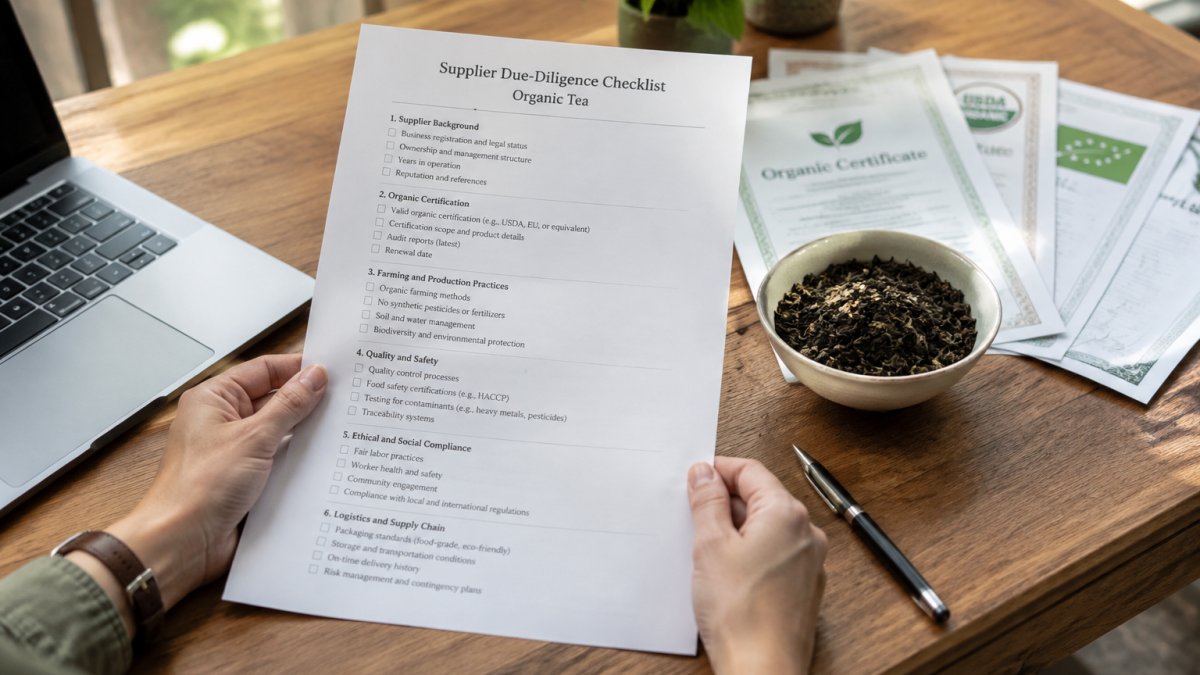
- Certifier name and licence number confirmed directly with the certifying body
- Certificate scope matches the exact products and facilities you are buying from
- Certificate expiry date is current and renewal is scheduled
- Country of origin and growing region named in writing
- Harvest period and lot number provided for the specific shipment
- Residue testing documentation available on request
- Processing and packing facilities named and separately certified
- Storage conditions described, including temperature and moisture control
- Labour and ethical sourcing policy supplied in writing
- Traceability records available from farm through to finished pack
Score each line as met, partial or missing. Two or more missing items on a first order is a reason to pause, not to negotiate.
For a buyer's view of what justifies a higher price per tin, our breakdown of the signs premium loose leaf tea is worth the price pairs well with this checklist.
Harvest, Processing and Storage Controls to Question
Controls are the part of organic tea sourcing that buyers rarely probe, and it is where quality quietly slips. Organic status can survive the farm and be lost in storage.
Ask how the harvest is kept separate from non-organic lots.
Then ask about storage. Tea picks up moisture and odours easily, so sealed, dry, temperature-controlled storage protects both the organic claim and the flavour.
What most guides miss is that freshness and certification are linked. A correctly certified lot stored badly delivers a flat cup, and the certificate will not save it.
Choosing Your Next Organic Blend With Confidence
Confidence comes from a short list of checks you can repeat for any supplier, and from buying from someone who welcomes them. Once the paperwork holds up, the choice becomes about flavour.
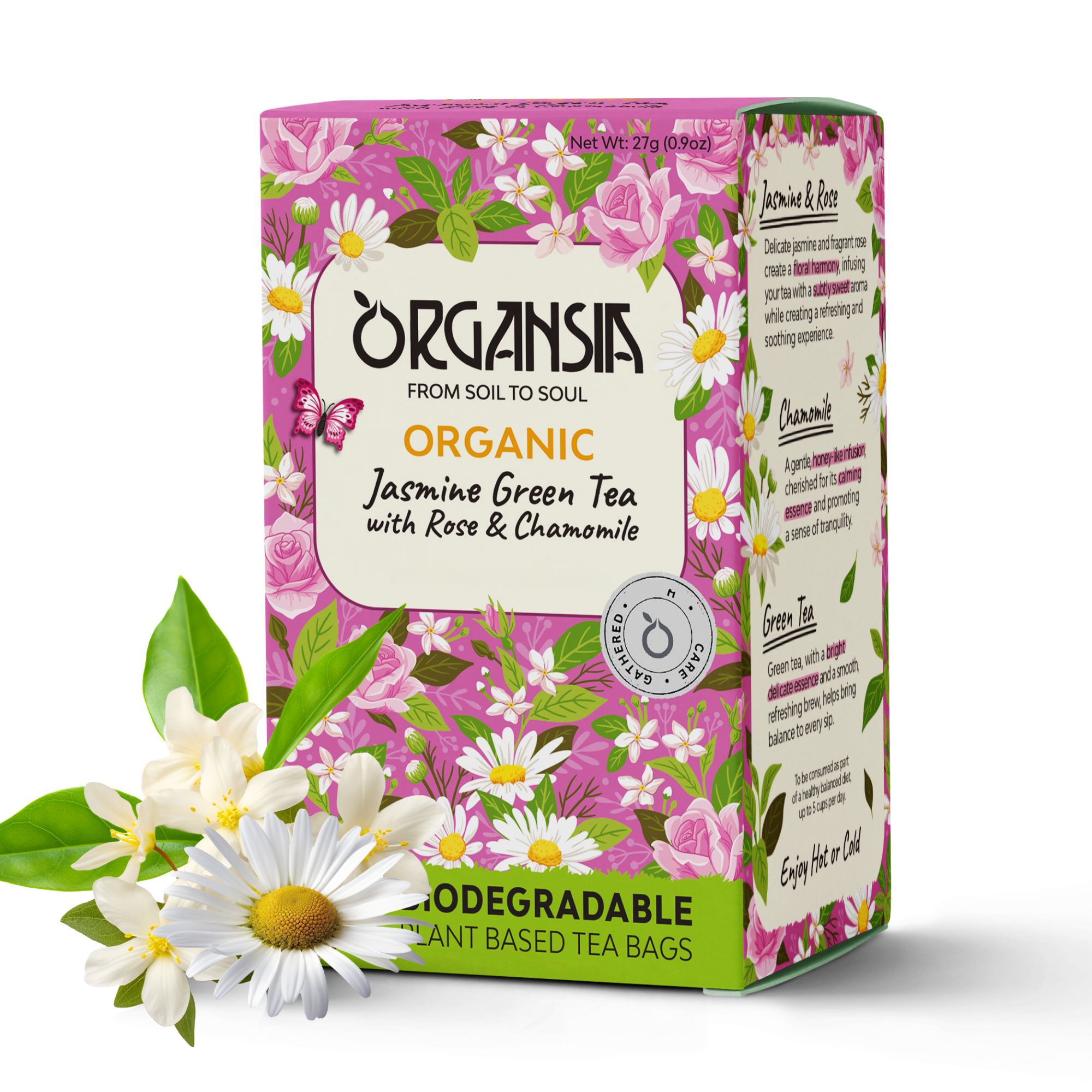
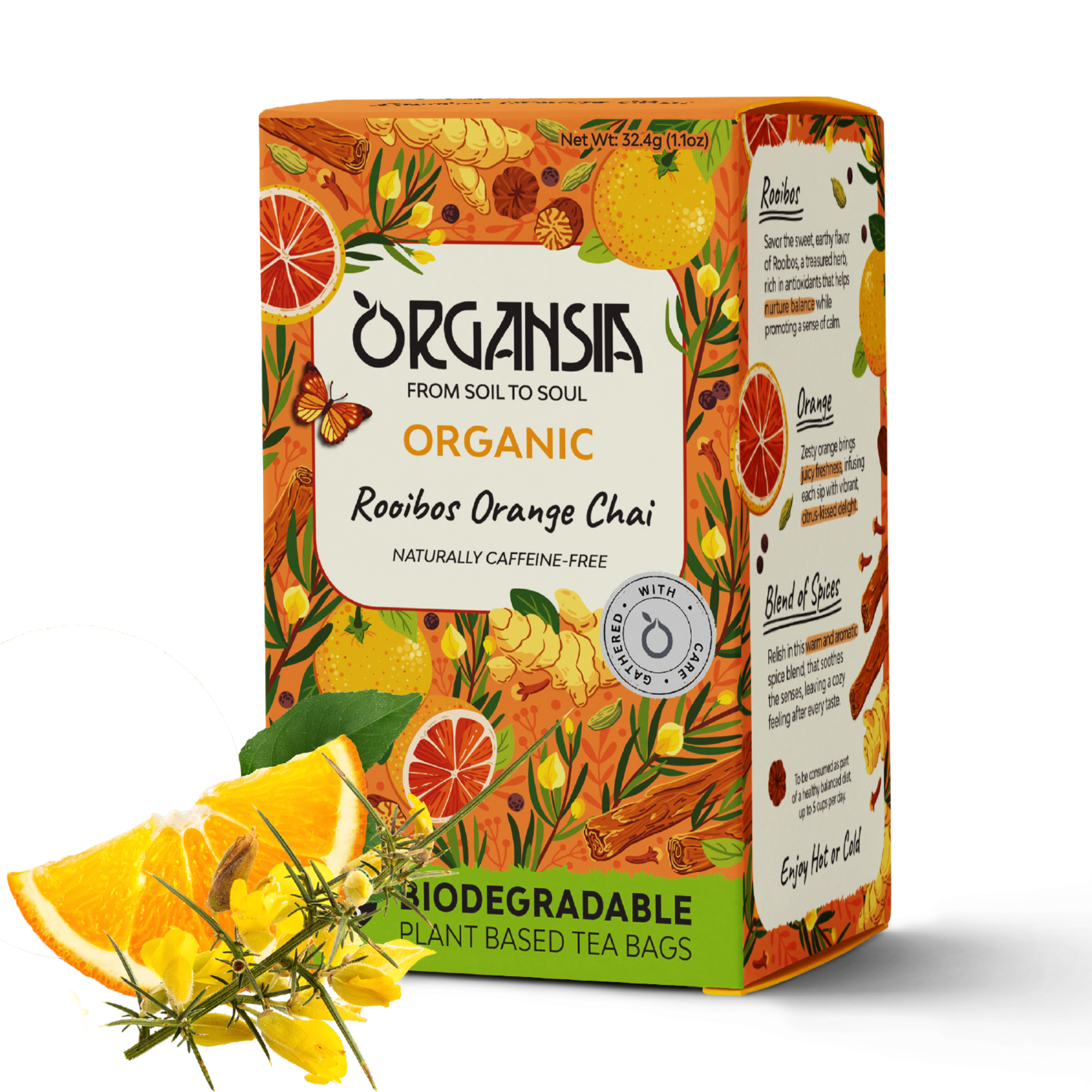
The Organic Jasmine Rose Green Tea with Chamomile brings floral lift to a green tea base, while the Organic Rooibos Orange Chai offers a caffeine-free option with warming spice.
For evening drinking, the Organic Bedtime Apple with Elderflower blends chamomile, rooibos and elderflower. And if you want something grounding, the Organic Three Roots combines ashwagandha, turmeric and ginger in a warming, earthy blend.
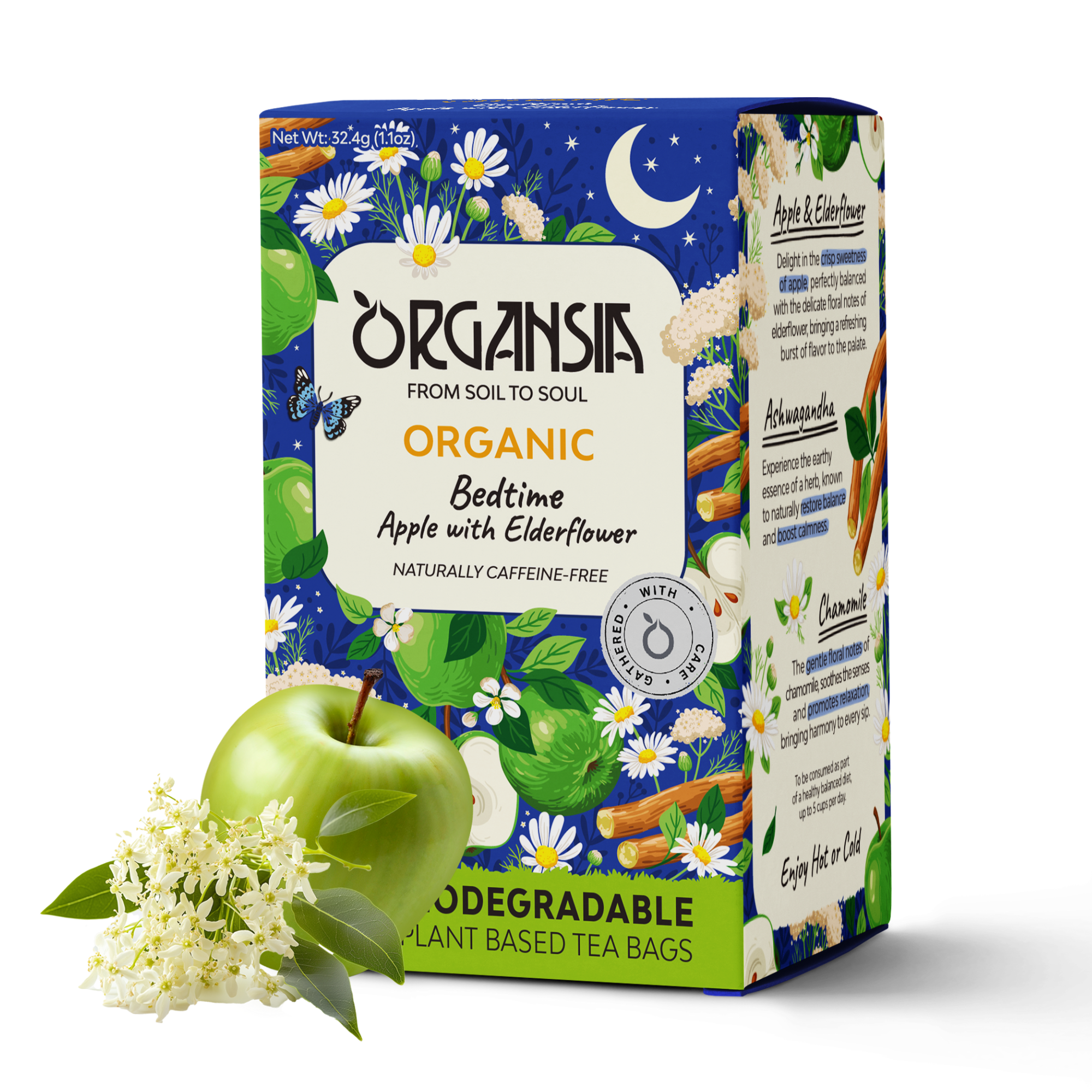
Each is $14.99 for 18 tea bags. You can browse the full Organsia range and choose by flavour rather than by guesswork.
The real test of organic tea sourcing is whether a supplier answers the awkward questions without flinching.
Frequently Asked Questions
What does organic certification mean for tea?
It means the tea was grown and handled under a certified organic system, with documented limits on synthetic pesticides and chemical fertilizers. The certifier audits the farm and the handler against a published standard, then issues a certificate with a scope and an expiry date. Look for the certifying body's name and licence number, not just a leaf logo, because a logo alone proves nothing about which product it covers.
How can I verify that tea is certified organic?
Start with the certifier's name and licence number on the pack, then check that number directly with the certifying body. Ask the brand for a current certificate and confirm the product form listed on it matches what you are buying, whether that is loose-leaf tea or tea bags. A certificate that expired last season, or one that covers a different product, does not verify the box in your hand. How to verify organic certification comes down to that one habit: check the source, not the design.
Does organic certification guarantee that tea is ethically sourced?
No. Organic certification covers growing and handling methods, not wages, housing or labour conditions. Ethical sourcing needs separate evidence such as a social audit, a fair trade arrangement or a published supplier code with audit results. Treat the two as different questions and ask for documentation on each. A brand can be fully certified organic and still have gaps in worker welfare reporting.
What should I look for on an organic tea label?
Check for the certifying body's name and licence number, the product form, the net weight in grams, the country of origin and a lot or batch code. Organic tea label requirements in most markets also restrict how the word organic can be used, so a pack claiming organic without a certifier name is a warning sign. A batch code matters because it is the thread that lets you trace the tea back to a harvest.







Comments (0)
There are no comments for this article. Be the first one to leave a message!