
Last Updated: November 25, 2026
Quick Summary
Premium green tea is judged by the leaf itself: whole, intact leaves with consistent colour, careful processing and a fresh, clean aroma when the packet is opened. Check colour evenness, leaf wholeness, sizing, surface texture and dry aroma before buying, then confirm with a brewing test. These checks separate a cup with depth and sweetness from a flat one.
- Pick out ten leaves and check that most are whole rather than broken pieces or dust.
- Look for a narrow colour band across the sample, since mixed shades suggest blended or unevenly stored lots.
- Cup the dry leaves: fresh green tea smells clean and sweet, while stale or musty tea is a warning sign.
- Brew a small sample before buying a larger pack, because the cup shows how well the leaf was handled.
- Divide the pack price by the number of cups you will brew to compare value fairly.
Table of Contents
- How to Choose Green Tea by Leaf Appearance and Colour
- Whole-Leaf Versus Broken-Leaf and Loose-Leaf Versus Tea Bags
- Green Tea Leaf Grades Explained
- How to Store Loose-Leaf Green Tea to Keep It Fresh
- A Loose-Leaf Green Tea Brewing Test Before You Commit
- Working Out Price per Cup Before You Buy Premium Green Tea
- Choosing Your Next Green Tea Blend from Basilur Tea
- Frequently Asked Questions
Premium green tea is defined less by brand name than by the leaf itself: whole, intact leaves, consistent colour, careful processing and a fresh, clean aroma when the packet is opened. These qualities separate a cup with depth and sweetness from one that tastes flat or grassy.
Premium green tea is made from carefully selected leaves processed to preserve their natural flavour, colour and aroma. The leaves are typically whole or large-cut rather than fine dust, and are handled to protect their structure from picking to packaging.
Quality starts at the plant. Harvest timing, the leaves chosen for each grade, and how quickly they are steamed or pan-fired after picking all shape the final cup.
When you buy a product labelled premium, look for evidence of that care rather than the word alone.
How to Choose Green Tea by Leaf Appearance and Colour
Judging green tea by eye can be a quick quality check before buying, but it works best when you look in a structured way.
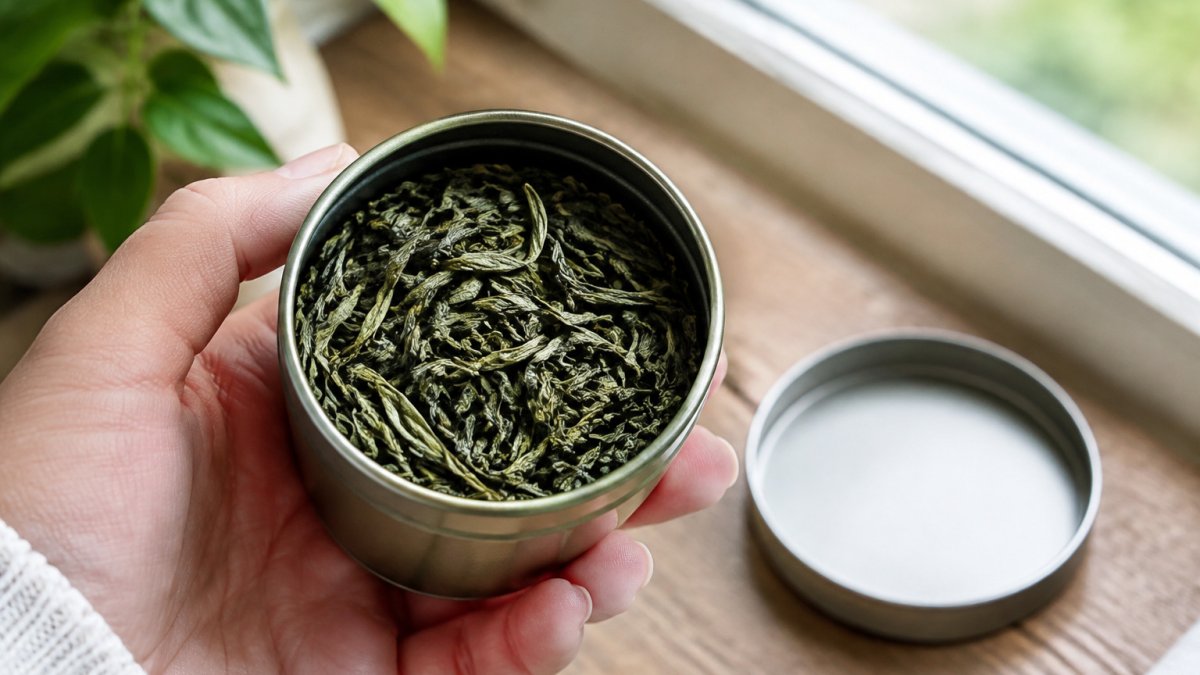
Work through five checks in order.
1. Colour consistency. Premium green tea should show a narrow colour band across the sample, fresh green, olive or blue-green depending on style, but broadly even.
2. Leaf integrity. Pick out ten leaves at random and count how many are whole or large fragments versus broken pieces and dust.
**3.
4. Surface texture and bloom. Fresh, well-made leaves often carry a faint downy bloom or slight sheen. Dull, dusty or matte leaves can indicate age, over-firing or moisture exposure.
5. Aroma at the dry stage. Cup the leaves in your hands and breathe in.
Once you have run the five checks, brew a small sample before committing to a larger pack. Appearance tells you a lot, but the cup confirms whether the leaf was handled well after picking, and the two together are far more reliable than either alone.
Whole-Leaf Versus Broken-Leaf and Loose-Leaf Versus Tea Bags
Whole leaves release flavour more slowly and evenly during steeping, giving a cup more body and a clearer taste profile. Broken leaves infuse faster and can taste sharper, and are common in mass-market products. Dust and fannings extract quickly but often turn bitter and lack the complexity of whole leaves.
Loose-leaf tea gives the leaves room to unfurl, which is one reason it tends to taste fuller than tea bags. Compare the full trade-offs in whole leaf tea vs tea bags. Many tea bags contain the finest particles left over from processing, so even a good tea can taste thin once bagged.
Tea bags are convenient, but not automatically inferior. To see which quality differences actually matter, read whole leaf vs tea bag quality.
Green Tea Leaf Grades Explained
Grade names in green tea are a sorting language, not a quality guarantee. Producers sort by leaf size, wholeness and the proportion of bud and young leaf, but the terms are not harmonised across origins, so the same word can mean different things from one garden to the next.
At the top of most sorting systems sit styles built from the bud and the two youngest leaves, the bud-and-two-leaves plucking standard. These leaves are tender, uniform and high in the compounds that give sweetness and aroma. Below them sit grades built from larger, older leaves, and below those the broken pieces, fannings and dust that end up in commodity products.
Grades also carry information about shape. Steamed green teas are often rolled into fine needles or twisted curls, and the grade reflects how uniform that shape is. Pan-fired teas are frequently pressed flat or rolled into small coils, and again the grade describes consistency rather than absolute quality.
Reading Harvest Season and Processing Method
Harvest timing is one of the strongest signals of quality, and one of the least discussed in most buying guides. Green tea is picked in flushes through the growing season.
Processing method matters just as much, and it is where the flavour is effectively decided. Green tea is fixed, heated soon after plucking to stop oxidation, by one of two main routes. Steaming, common in Japanese styles such as Sencha, gives a bright green leaf, a grassy and marine aroma, and a smooth, umami-rich cup.
Watch out: a label that says only 'premium' or 'special grade' without naming a plucking standard, flush or processing method is telling you nothing verifiable. Ask for the detail, and if it is not available, judge the leaf and the cup yourself.
Certifications and What They Do Not Prove
Certifications such as organic labels can indicate that a tea was grown and handled under specific standards, and are worth checking against the certifying body named on the packet. A recognised scheme with a traceable certification number is more meaningful than a logo alone.
What certifications do not do is tell you about taste, freshness or leaf integrity. A certified organic tea can still be broken, stale or poorly stored, and a tea without certification can be excellent. Use certifications as one input alongside your own checks of appearance, aroma and brewing results, and ask sellers directly about harvest date, processing and any residue testing they carry out.
The table below sets out the grade and quality signals this section describes, so you can check a packet against them.
| Signal | What to look for | Why it matters |
|---|---|---|
| Plucking standard | Bud and two youngest leaves | Tender, uniform, sweet and aromatic |
| Leaf wholeness | Mostly whole leaf, few stems | Slower, more even flavour release |
| Broken pieces | Only a small share | Less bitterness and sharpness |
| Harvest flush | First flush or early season | Delicate, aromatic cup |
| Steamed style | Bright green, grassy, marine | Smooth, umami-rich cup |
| Pan-fired style | Darker, nutty or toasted aroma | Rounder, sometimes sweeter cup |
| Vague label | Only 'premium' or 'special grade' | Not verifiable, judge the leaf yourself |
How to Store Loose-Leaf Green Tea to Keep It Fresh
Storage affects what you taste, so keeping leaves protected matters. Heat, light, air and moisture all degrade the leaves over time, dulling aroma and colour.
Keep your tea in an airtight container, away from direct sunlight, strong odours and humidity. For guidance on protecting delicate powdered green tea, read how to store matcha powder for freshness. Foil-lined pouches with a resealable zip and metal caddies both work well, as long as the seal is kept closed after each use.
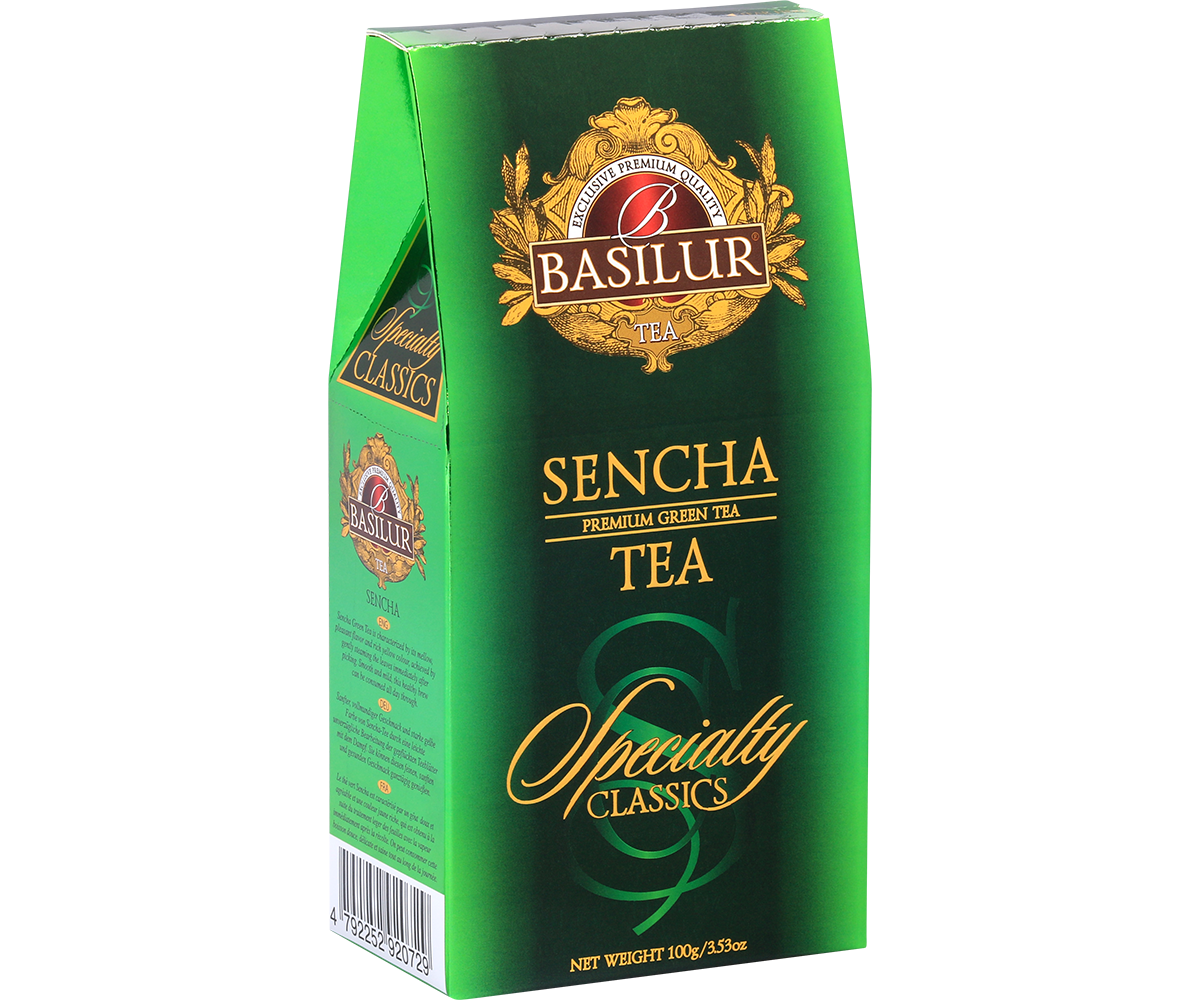
Buying in quantities you can finish steadily is a practical way to enjoy your tea. Our Sencha Specialty Classics range is packed in a foil pouch with a zip-lock inner bag, and the Sencha tin caddy is a metal caddy design.
A Loose-Leaf Green Tea Brewing Test Before You Commit
A brewing test is the most direct way to evaluate a tea before buying more of it. A common starting point is about one teaspoon of leaves per cup, with water just below boiling, steeped to taste.
Note the colour of the liquor. A clear, bright golden or pale green infusion usually indicates a well-made tea. Then assess the flavour: a good premium green tea should taste fresh and smooth, with a clean finish, and show some natural sweetness rather than bitterness or harshness.
Try a second infusion with the same leaves. Quality leaves should still release flavour, while poor-quality tea often fades or turns astringent quickly. If the tea tastes flat, stale or unpleasantly bitter on first brewing, it is unlikely to improve with better technique.
Working Out Price per Cup Before You Buy Premium Green Tea
Price per cup is the clearest way to compare value. Divide the price of a pack by the number of cups it yields, using the amount of leaf you actually brew. This is explained step by step in is premium tea worth the price, cost per cup explained.
Our Specialty Classics Sencha 100g loose-leaf pack is priced at AUD $15.99, and the Sencha tin caddy is priced at AUD $19.99 for 100g. The Sencha Premium Pack of three 100g pouches is priced at AUD $38.99, and the five-pack is priced at AUD $65.99.
Remember that the cheapest cup is not always the best value. A low-priced tea that tastes flat or bitter means you will waste leaves and money. Use the brewing test above to decide whether the taste justifies the price.
Choosing Your Next Green Tea Blend from Basilur Tea
When you are ready to choose, start with what you value most: a mellow, all-day green tea, a grassy and vibrant steamed style, or a fresh herbal lift. Judge each option by its leaf appearance, its story and how it brews, then compare price per cup.
The Basilur Tea range brings together carefully selected Ceylon leaves in thoughtfully designed packaging. Our Sencha, Moroccan Mint Green Tea and other loose-leaf blends are a good place to begin, and each can be tested with the brewing method above.
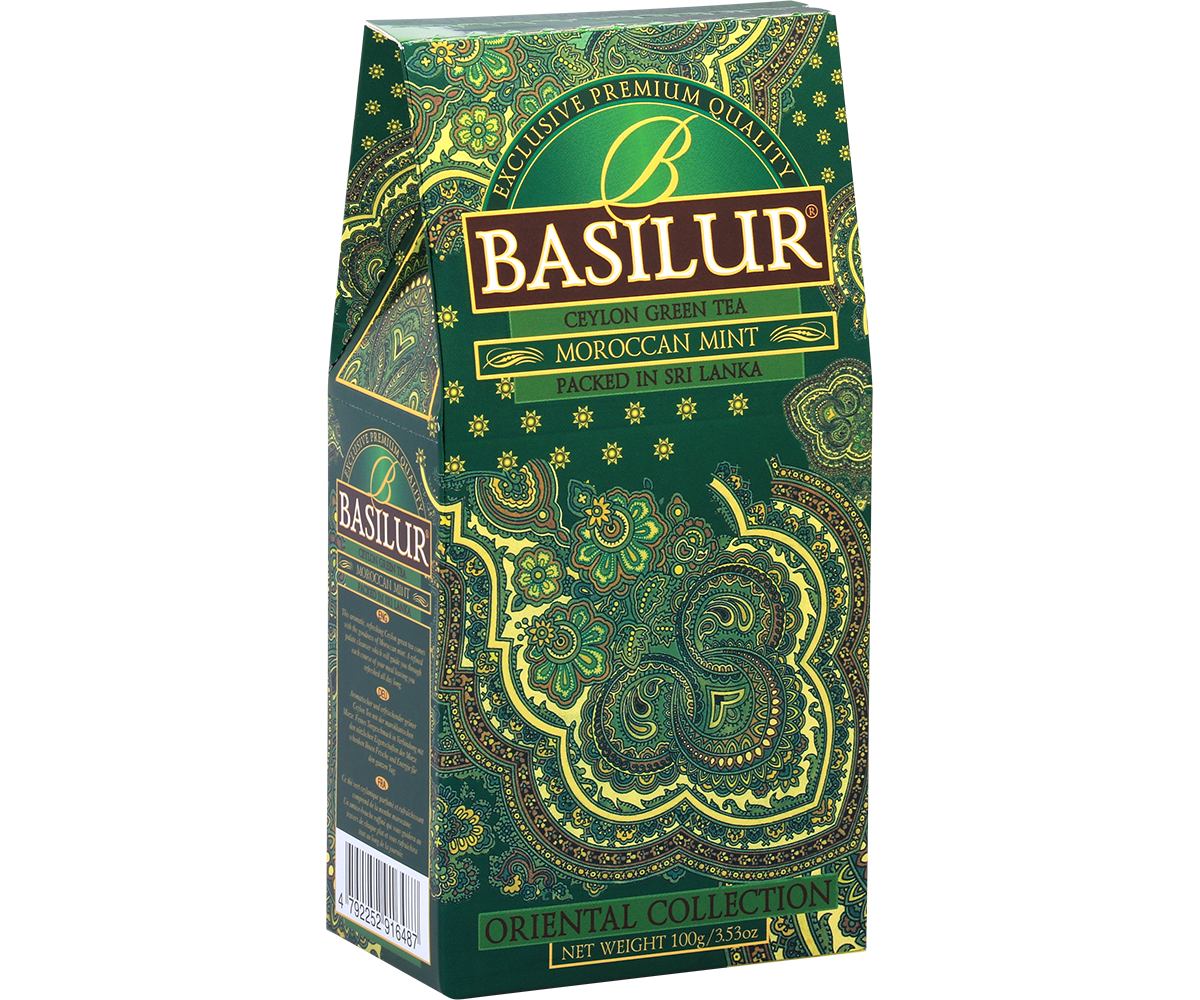
Explore the Basilur Tea loose-leaf range and find the green tea that suits your cup.
Looking for your next favourite loose-leaf green tea? Australian Tea Board guidance on tea quality
Frequently Asked Questions
How can you tell if green tea leaves are high quality?
Look for whole or largely intact leaves with an even green colour and few small fragments or dust. Good leaves should look fresh rather than dull or yellowed. Check the aroma when you open the pack: premium green tea usually smells fresh, grassy or subtly sweet, not stale or musty. Finally, do a small brewing test. A quality leaf gives a clear, pale golden-green liquor with a smooth finish and little harsh bitterness, and it can be steeped more than once.
What should premium green tea leaves look and smell like?
Premium Japanese-style leaves such as sencha are typically needle-like and deep green, with a bright, slightly glossy surface. Chinese-style leaves can be rolled, curled or twisted, and should still show even colour. The aroma should be fresh and vegetal, with grassy or sweet notes. Avoid leaves that smell flat, hay-like or of cardboard, as these often signal age or poor storage. A sencha such as Basilur's Specialty Classics Sencha brews to a mild golden yellow with a grassy note and a hint of sweetness in the finish.
Does the harvest date matter when buying green tea?
Yes. Green tea is best consumed within a relatively short period after harvest, because its fresh aroma and bright flavour fade over time. Where possible, check whether the pack states a harvest or packing date, and note the season and processing method. Spring-harvested first flush leaves are often prized for their tender buds. Buy in quantities you can finish within a few months, and store the tea well to slow the decline in quality.
How should loose-leaf green tea be stored to keep it fresh?
Keep loose-leaf green tea in an airtight container away from light, heat and moisture, such as a sealed foil pouch inside a tin. Avoid storing it near the stove, in a sunny window or in the fridge, where condensation can damage the leaves. Once opened, use the pack within a few months for the best flavour. Basilur's Sencha is packed in a foil zip-lock pouch with an inner bag, and the Sencha tin caddy is a metal caddy.
How much loose-leaf green tea should you use per cup?
A common starting point is about one teaspoon of loose leaves, roughly 2 grams, per 200 to 250 millilitres of water. Use water slightly cooler than boiling, around 70 to 80 degrees Celsius, to avoid bitterness, and steep for one to two minutes. Adjust the amount and time to suit your taste. Keep notes on what you use so you can repeat a cup you enjoy, and compare value by working out the cost per cup from the pack price and the number of cups it yields.









Comments (0)
There are no comments for this article. Be the first one to leave a message!