

Last Updated: November 14, 2026
White Tea vs Green Tea for Weight Loss: The Short Answer
Neither white tea nor green tea causes weight loss on its own, and the human evidence for both is modest and mixed. Where the two differ is in processing, caffeine load and catechin profile, and those differences matter more for how you drink them than for what the scales say.
This guide sets out what the trials actually show, how the two teas compare cup for cup, and how to choose the one that fits your day. Below, we cover the evidence honestly, including where it is thin.
White tea vs green tea is a comparison worth getting right, because most articles oversell the fat-burning angle.
How the Two Teas Differ at a Glance
White tea and green tea come from the same plant, Camellia sinensis. The difference is in the picking and the processing.
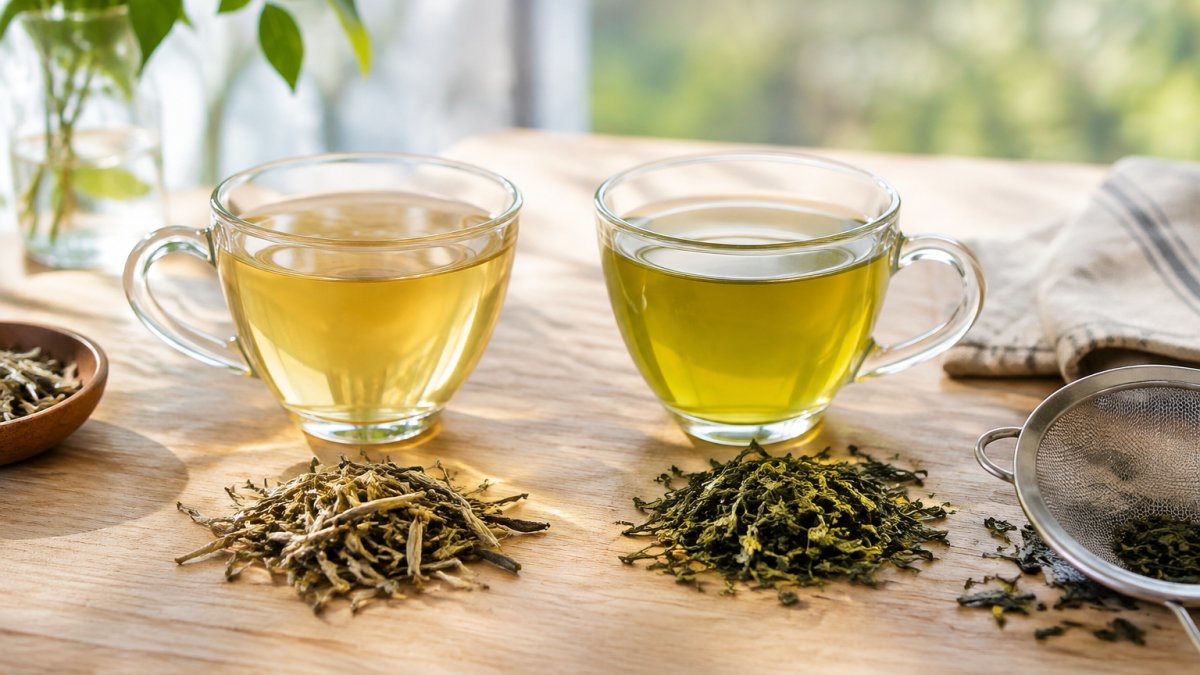
White tea uses young buds and early leaves, withered and dried with minimal handling. Green tea leaves are picked later, then heated quickly by pan-firing or steaming to stop oxidation. That early halt preserves a fresh, grassy character and a distinct catechin mix.
- Leaf age: white tea is picked young; green tea uses more mature leaves
- Processing: white tea is barely processed; green tea is heated to stop oxidation
- Oxidation: both are unoxidised, unlike black tea
- Flavour: white tea is delicate and smooth; green tea is grassy and brisk
- Caffeine: both contain caffeine, in varying amounts
Those processing choices shape the flavour in the cup far more than they shape any metabolic effect.
Does Green Tea Help You Lose Weight? What the Trials Show
The honest way to read the literature is to separate what trials actually measure from what the marketing implies, and to grade the evidence rather than repeat it.
What human trials measure. Most randomised controlled trials of green tea or green tea extract report changes in body weight, body mass index, waist circumference and body fat percentage over periods of roughly eight to twelve weeks. Some also report resting energy expenditure or fat oxidation during light activity. The outcomes are modest and the measurement windows are short, so a trial cannot tell you what a year of daily drinking would do.
How large the effects are. Across reviews of human trials, the average difference between green tea and control groups is small, typically a fraction of a kilogram to a couple of kilograms over a few months, with wide variation between studies. Some trials find no significant difference at all. That is not a reason to dismiss tea; it is a reason to treat it as a supporting habit rather than a treatment.
Why the evidence is graded low. Several problems recur:
- Many trials use concentrated green tea extract in capsules, not ordinary brewed tea, so the dose of catechins and caffeine is far higher than a cup delivers
- Dose, daily intake and the individual's starting weight vary widely between studies
- Caffeine contributes part of any effect on metabolic rate, and trials rarely isolate it from the catechin effect
- Blinding is difficult when the intervention is a drink with a distinctive taste, which raises the risk of bias
- Follow-up is usually short, and few trials track whether weight loss is maintained
What this means for a daily drinker. The realistic expectation from swapping a sweetened drink for unsweetened green tea is a reduction in calorie intake, which is a genuine and measurable lever. Any additional effect from the catechins themselves is likely to be small and inconsistent. Presenting green tea as a fat burner goes beyond what the trials support.
For a broader look at what quality green tea offers beyond weight management, our guide to the health benefits of high quality green tea goes deeper.
White Tea Benefits for Weight Loss: Catechins and Fat Oxidation
White tea is a pleasant drink that contains no added calories when served unsweetened.
White Tea vs Green Tea Caffeine: What Each Cup Delivers
White tea vs green tea caffeine content is closer than the marketing suggests. Both contain caffeine, and the amount depends more on leaf age, serving size and steeping time than on which category the tea belongs to.
A common misconception is that white tea is caffeine-free. It is not. Young buds and leaves can carry a meaningful caffeine load, and a strong brew of either tea can rival a weak coffee.
- White tea: often slightly lower, but not reliably so
- Green tea: varies with leaf age and brew strength
- Brewing: longer steeping and more leaf raise caffeine per cup
- Sensitivity: if caffeine affects your sleep, treat both with care
If caffeine is your main concern, our explainer on whether loose leaf tea has more caffeine breaks down what actually drives the number in your cup.
Brewed Serving for Serving: A Like-for-Like Comparison
Comparing a brewed serving of white tea with a brewed serving of green tea is fairer than comparing extracts, because it reflects what you actually drink. Per ordinary cup, both deliver antioxidants, both contain caffeine, and neither adds calories when drunk unsweetened.
Caffeine exposure. White tea and green tea caffeine content is closer than the marketing suggests. Both contain caffeine, and the amount depends more on leaf age, serving size and steeping time than on which category the tea belongs to. A common misconception is that white tea is caffeine-free. It is not.
Catechin exposure. Green tea is the better-studied source of catechins, particularly EGCG, largely because more human trials have used it. White tea contains polyphenols and catechins too, but the human evidence specific to white tea is scarce.
What changes the number in your cup.
- Leaf quantity: more leaf per cup raises both caffeine and catechin extraction
- Water temperature: hotter water extracts more compounds faster; green tea is often brewed cooler to avoid bitterness, which also slows extraction
- Steeping time: longer steeping raises caffeine per cup, sometimes sharply
- Leaf age and grade: young buds and early leaves differ from more mature leaves in both caffeine and catechin content
- Re-steeping: subsequent infusions extract less of both, so the first cup is the strongest
Here is how they stack up on the measures that matter to a daily drinker:
Measure |
White tea |
Green tea |
|---|---|---|
Processing |
Withered and dried, minimal handling |
Heated to halt oxidation |
Leaf age |
Young buds and early leaves |
More mature leaves |
Flavour |
Delicate, smooth, lightly sweet |
Grassy, brisk, mellow when steamed |
Caffeine |
Moderate, varies with brew |
Moderate, varies with brew |
Catechins |
Present, less studied in humans |
Present, better studied |
Best for |
Gentle all-day drinking |
A sharper, more refreshing cup |
The takeaway is simple: at the level of an ordinary cup, the differences are small, and preparation variables matter more than the category. If you want brewing guidance for loose leaves, our guide on how to brew loose green tea leaves properly covers water temperature and timing.
Watch out: brewing either tea strong and drinking several cups late in the day can push your caffeine intake higher than you expect, so treat the cup size and steep time as part of the comparison, not an afterthought.
The Best Time to Drink Green Tea for Weight Loss
The best time to drink green tea for weight loss is whenever it replaces a sugary drink, and preferably earlier in the day so the caffeine does not disturb sleep.
Timing matters less than substitution. What does not help is adding tea on top of an unchanged diet.
- Morning: a gentle caffeine lift without coffee's jolt
- Before meals: may support a sense of fullness
- Afternoon: a good replacement for sweetened drinks
- Evening: choose decaffeinated or stop early if sleep suffers
Watch out: drinking strong green tea on an empty stomach can leave some people feeling queasy. Take it with or after food if that happens to you.
Unsweetened Tea vs Sweetened and Bottled Products
Unsweetened brewed tea supports weight management; sweetened and bottled tea products often work against it. This is the single biggest practical difference in the whole comparison, and it has nothing to do with white versus green.
Bottled iced teas frequently carry added sugar, sometimes as much as a soft drink. A serving size printed on the label may also hide more than one serve per bottle. Brewing your own and drinking it plain avoids both traps.
- Check the label for added sugar, not just total sugar
- Watch for honey, syrups and fruit juice concentrates
- Brew at home and chill it yourself for iced tea
- Add lemon or a slice of fruit rather than sugar
The taste adjustment takes a week or two. After that, sweetened products start to taste cloying.
Choosing Your White or Green Tea
Choose white tea if you want a gentler, smoother cup and a lower, steadier caffeine habit. Choose green tea if you prefer a brisker flavour and want the tea with the better-studied evidence base.
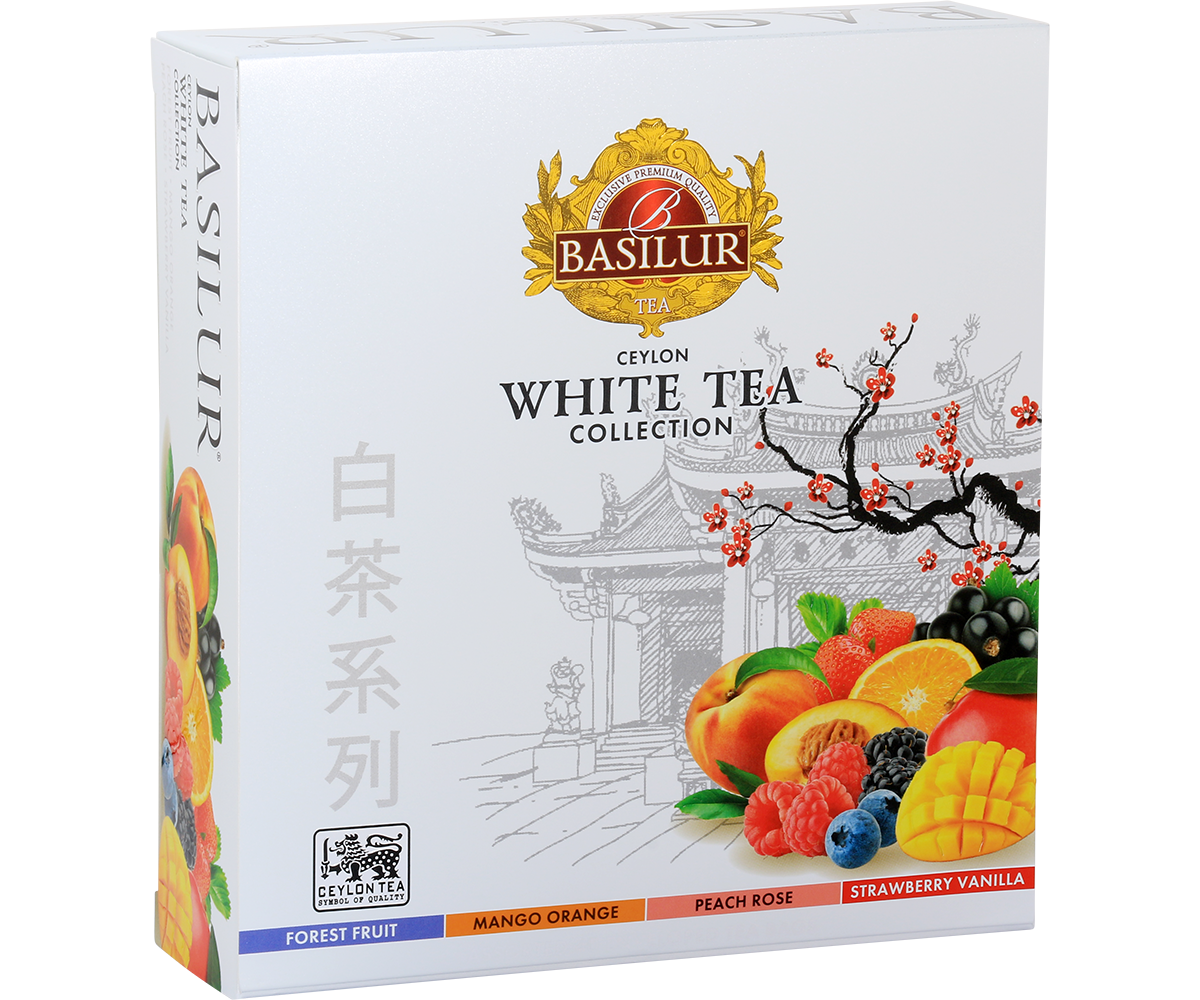
Our own range makes the choice easy to try. The White Tea Collection holds 40 enveloped tea bags across four fruit flavours, individually wrapped to keep the leaf fresh. For a smaller start, the 20-envelope white tea selection suits a gift or a first taste.
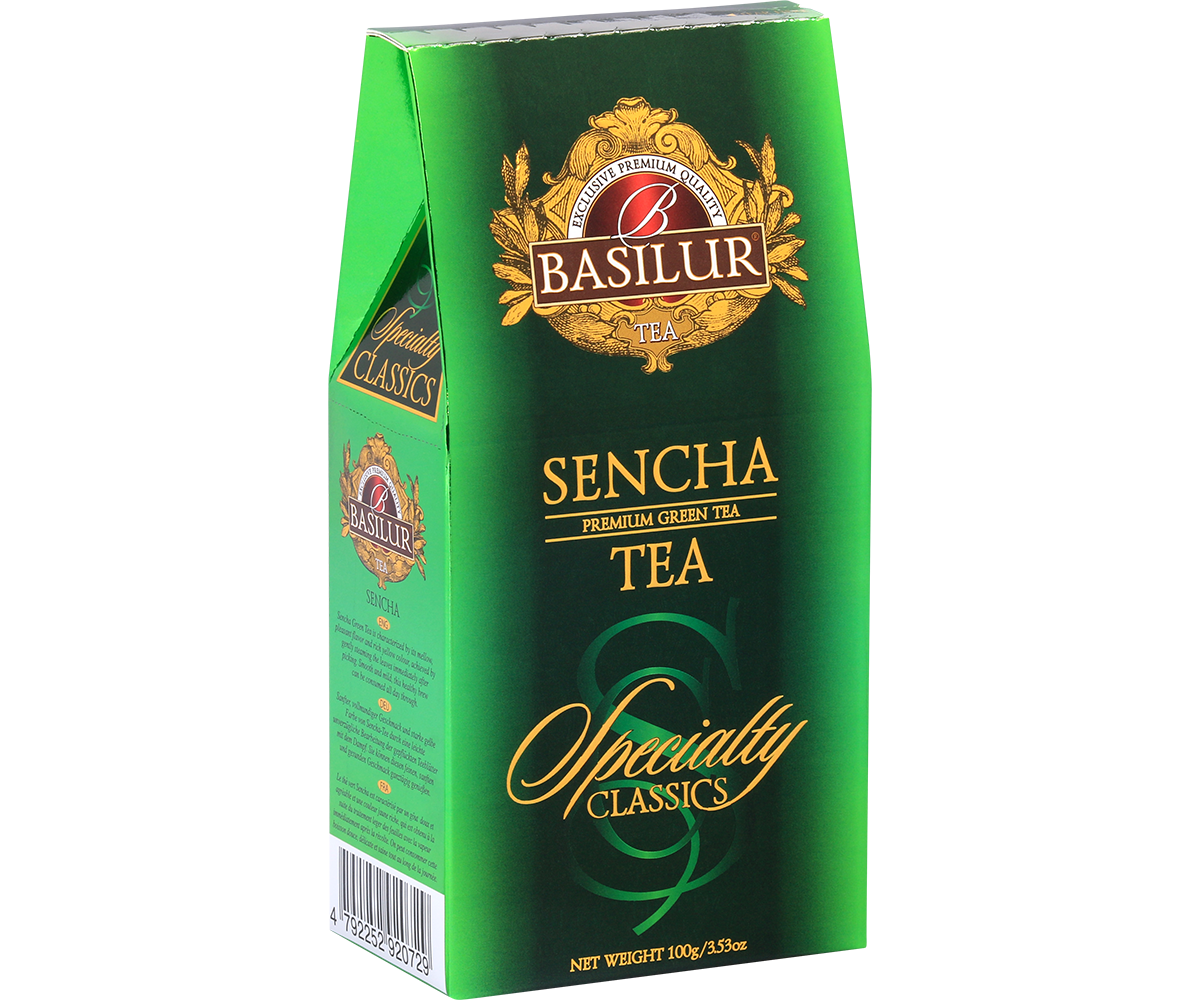
If you lean green, the Specialty Classics Sencha is a 100g loose leaf with a mellow, steamed character that drinks well all day. Both are pleasant unsweetened options.
The hardest part of any tea habit is consistency, not choosing between two good options. We make that easier with premium Ceylon leaf, blends built for a clean, refreshing cup, and packaging that keeps every serving fresh. Explore the white and green collections at Basilur Tea and find the cup you will actually drink every day.
Frequently Asked Questions
Is white tea or green tea better for weight loss?
Neither is clearly better on current evidence. Both come from the same plant and contain caffeine. Green tea has more research behind it, while white tea is less processed and generally lower in caffeine. The practical difference comes down to caffeine tolerance, taste and how much unsweetened tea you actually drink each day.
Which has more caffeine, white tea or green tea?
Green tea usually contains more caffeine per brewed cup than white tea, though the gap depends on leaf age, steeping time and serving size. White tea is picked young and undergoes minimal oxidation, while green tea leaves are older and often steeped hotter and longer. If you are caffeine sensitive, white tea is the gentler starting point, especially in the afternoon.
How much white or green tea should you drink in a day?
Spread them across the morning and early afternoon rather than drinking them all at once. Keep total caffeine within your own tolerance, and speak to your doctor if you are pregnant, breastfeeding or taking medication.
Can tea alone lead to weight loss?
No. Tea alone is not a weight-loss method. The bigger levers are your overall calorie intake, activity and sleep. Where tea helps most is by replacing sugary drinks and adding a satisfying, unsweetened habit you can keep up long term.
Does adding milk or sugar change tea's suitability for weight management?
Added sugar adds calories and works against weight reduction, so unsweetened tea is the better choice. Milk adds calories and protein too, and while it does not cancel out the catechins, it makes the drink heavier. If you want flavour without sugar, try a naturally fruit-blended white tea, which gives sweetness from fruit pieces rather than added sugar.










Comments (0)
There are no comments for this article. Be the first one to leave a message!